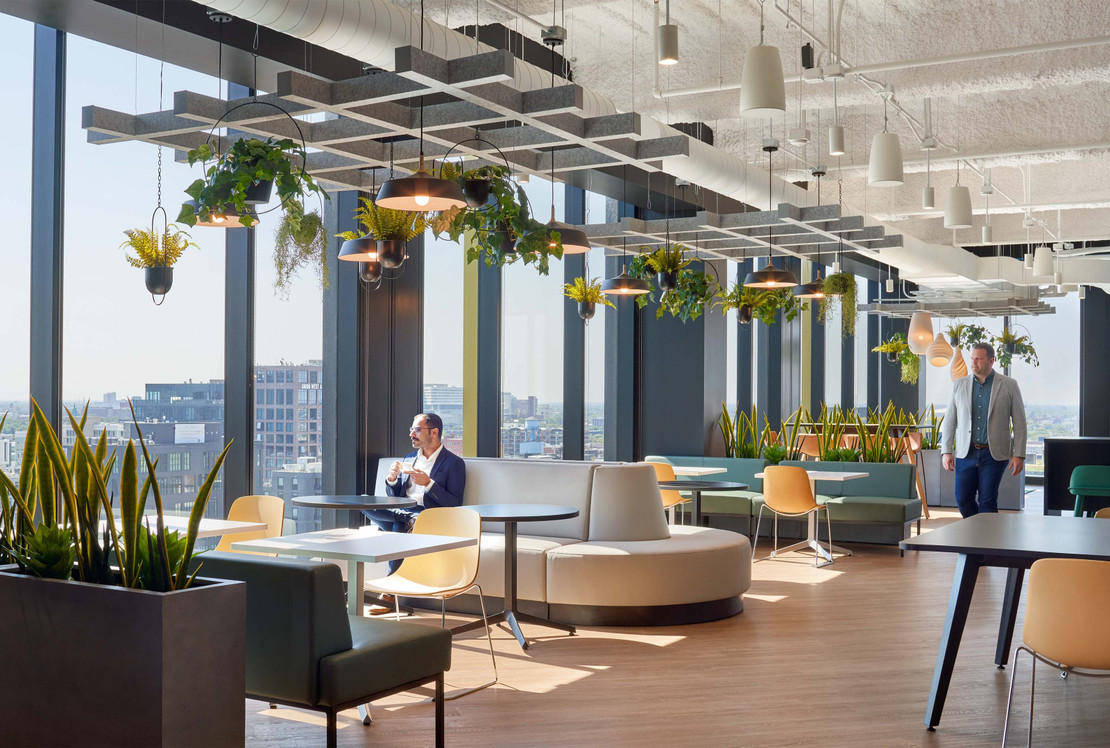
The Complete Guide to Designing Commercial Spaces
Successful commercial interiors don’t happen by accident. They follow a structured, disciplined process that aligns design decisions with business goals, operational efficiency, safety requirements, and long-term performance. From a manufacturer’s perspective, this process is critical—because every shortcut taken early often results in furniture failure, layout inefficiencies, or costly replacements later.
1. Pre-Design & Strategic Planning
This phase establishes the foundation of the project. Designers analyze the site, review building systems, identify code and accessibility requirements, and meet with stakeholders to understand workflows, headcount, and customer behavior. From a manufacturing standpoint, this is where seating density, traffic patterns, weight requirements, and usage intensity must be identified early—before furniture specifications are finalized. A clear program, preliminary budget, and realistic timeline guide all future decisions.
2. Conceptual Design
During conceptual design, strategy becomes layout. Designers explore circulation paths, zoning, and seating arrangements that support both experience and revenue. Early involvement from a commercial furniture manufacturer helps validate what layouts are realistic, durable, and scalable—especially for high-traffic environments such as restaurants, bowling centers, and entertainment venues.
3. Design Development
This is where concepts are fully resolved. Materials, finishes, lighting, and furniture are selected and coordinated with HVAC and electrical systems. Manufacturer input becomes critical here, ensuring that furniture meets commercial-grade standards, fire codes, weight ratings, and maintenance requirements. Customization, modularity, and long-term performance are finalized at this stage.
4. Construction Documentation
Accurate documentation ensures contractors can price and build the space correctly. Dimensioned plans, furniture layouts, and specifications reduce errors, delays, and change orders. Manufacturer-provided shop drawings and technical details help bridge the gap between design intent and real-world production.
5. Project Management & Oversight
Throughout construction, designers and manufacturers coordinate with contractors, review submittals, and resolve field conditions. Site visits and final punch lists ensure furniture is installed correctly and performs as intended. This phase protects both the design vision and the client’s investment.
Common Mistakes When Steps Are Skipped
When commercial projects skip or rush steps, problems almost always surface later. Common mistakes include:
-
Selecting furniture before understanding traffic flow and usage intensity
-
Using residential-grade materials in commercial environments
-
Ignoring fire codes, ADA requirements, or weight capacities
-
Designing layouts that look good but reduce revenue or staff efficiency
-
Ordering imported furniture with long lead times and limited customization
These errors lead to premature wear, safety concerns, budget overruns, and lost revenue—issues that could have been avoided with proper planning and manufacturer involvement early in the process.
Why Manufacturing Involvement Matters
Commercial furniture manufacturers with direct control over production bring a critical layer of accountability to the design process. Early collaboration ensures that layouts are buildable, materials are appropriate, and lead times align with project schedules. Manufacturers who produce domestically can adjust dimensions, finishes, and configurations quickly—helping designers and operators respond to real-world constraints without compromising quality.
Final Takeaway
Designing commercial spaces is a performance-driven discipline. When design, manufacturing, and execution are aligned from day one, the result is a space that lasts longer, performs better, and supports business goals. This structured approach separates successful commercial environments from those that struggle after opening.Learn From Experience — and Work With Proven Professionals.One of the biggest mistakes operators make when designing commercial spaces is underestimating the value of experience. Commercial environments are unforgiving. Furniture is used daily, layouts are tested constantly, and mistakes reveal themselves quickly—often after opening, when corrections are expensive and disruptive.
For additional info visit https://www.