What Is Contract Hospitality Furniture and How to Choose It for Your Business
When building a commercial facility from the ground up, contract hospitality furniture becomes an essential part of the project. Whether the space is a hotel restaurant, boutique lobby, lounge, nightclub, or hospitality venue, contract furniture plays a major role in both the functionality and appearance of the environment. Unlike residential furniture, contract hospitality furniture is specifically designed for commercial spaces where durability, design coordination, and operational efficiency are critical.
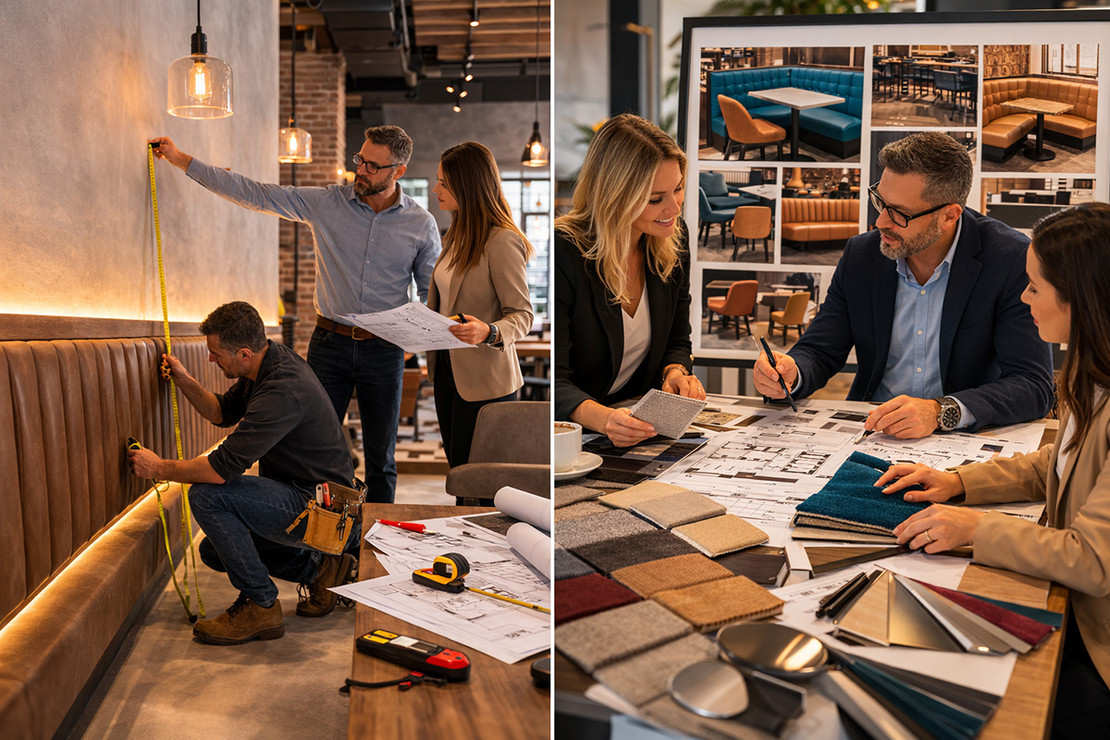
The process of selecting contract furniture typically begins once architects and interior designers move into the specification stage of a project. At this point, every detail becomes important. Designers carefully consider how the furniture will match the overall theme of the space while also ensuring that the materials meet commercial performance standards.
Choosing the right contract hospitality furniture requires careful planning and collaboration between operators, designers, architects, and manufacturers. Many hospitality projects involve custom elements such as restaurant booths, lounge seating, dining chairs, bar stools, and table tops. These pieces must not only match the visual concept of the space but also withstand constant daily use.
One of the most effective ways to ensure that the furniture fits the project design is by working with physical samples. Many designers request upholstery swatches, laminate samples, and metal finishes before making final decisions. In some cases, single sample items—such as a restaurant chair, booth section, or table top with a metal base—are produced so the team can see how the pieces work within the interior design concept.
Operators and owners often rely heavily on their project team during this stage. Designers and architects guide the visual direction of the space, while manufacturers help ensure that the furniture can be produced according to the project specifications and delivered on time.
According to Veronika Lemeshenkova, Sales Associate, providing samples is a critical step in the process.
"Getting the samples out is already half of the project," says Lemeshenkova. "Designers and operators want to see the materials, colors, and finishes in person so they can make confident decisions before production begins."
Once the design selections are finalized, the next stage is preparing the contract order for production. This phase requires detailed coordination between the project team and the manufacturer. Production schedules, quantities, materials, and delivery timelines must all be confirmed to ensure that the furniture is ready when the facility approaches its opening date.
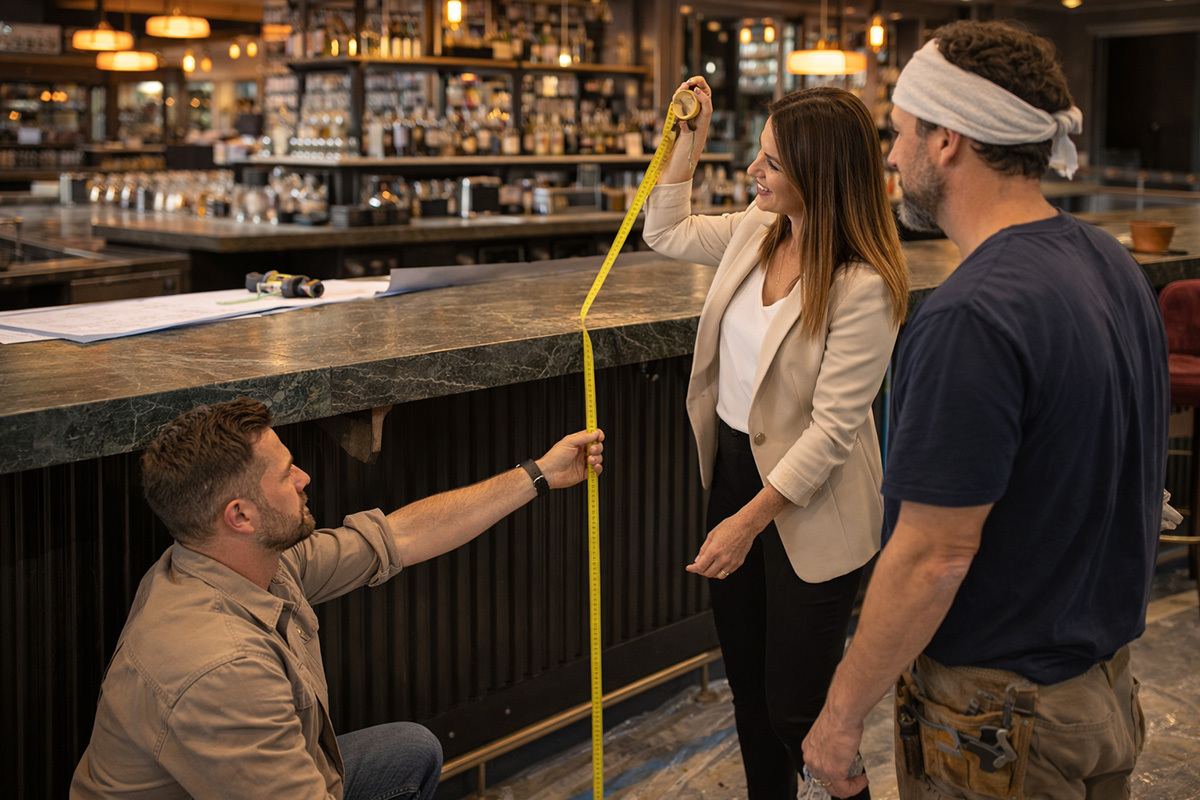
However, hospitality projects rarely follow a perfectly straight path. Construction timelines can shift, and floor plans may change as the project develops. Sometimes spaces become slightly larger or smaller than originally planned, which may require adjustments to the furniture specifications.
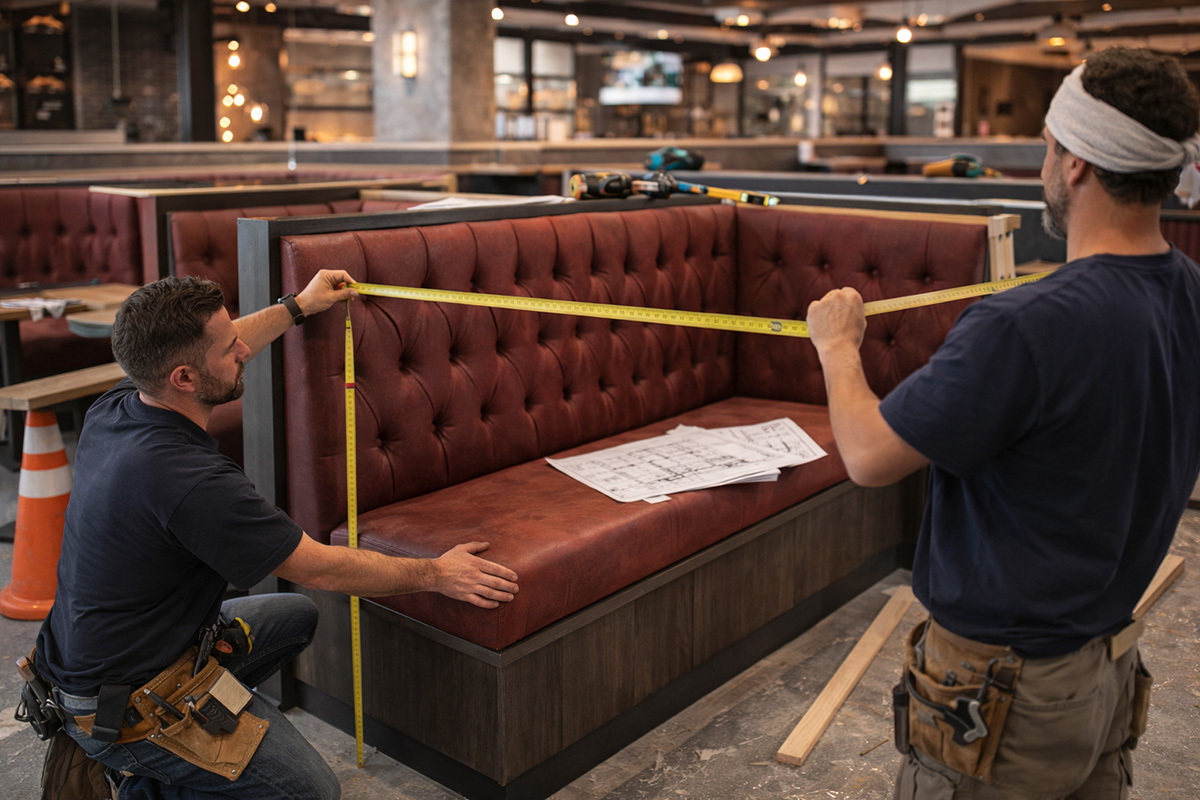
"Many times we see project managers adjusting the specifications during construction," explains Lemeshenkova. "When the space changes, we need to adapt the furniture as well. Booth lengths, seating layouts, and table sizes may need to be modified so everything fits correctly."
For experienced manufacturers, flexibility becomes part of the process. Adjusting designs, maintaining production schedules, and keeping delivery timelines intact are all essential to ensuring the success of the project.
Manufacturers with strong experience in hospitality furniture understand how important timing and coordination are. Restaurants, hotels, and entertainment venues often operate under strict opening schedules. Delays in furniture production or delivery can impact the entire launch of a facility.
"Overall, the most important thing is maintaining composure and keeping the project on schedule so the client remains confident," says Lemeshenkova.
Companies with long experience in U.S. manufacturing are often well equipped to manage these complex projects. With decades of experience producing commercial seating, restaurant booths, chairs, and custom furniture, experienced manufacturers understand how to support designers and operators through every stage of the process.
"We have worked on many challenging projects over the years," says Lemeshenkova. "Give us a difficult project and we will find a way to make it work."
Producing sample chairs in custom colors, preparing upholstery swatches, providing cut sheets, and creating design boards are all part of the service that helps bring hospitality projects to life. These tools allow designers and operators to visualize the finished space before production begins.
With over two decades of experience in U.S. manufacturing, companies that specialize in contract hospitality furniture understand that each project is unique. By combining design expertise, material knowledge, and flexible production capabilities, manufacturers help transform architectural concepts into fully functioning hospitality environments.
When contract hospitality furniture is selected carefully and produced by experienced manufacturers, it becomes more than just seating and tables. It becomes an integral part of the guest experience and a key element in the long-term success of the business.
Key Questions About Contract Hospitality Furniture
Q: What is contract hospitality furniture?
A: Contract hospitality furniture refers to furniture designed specifically for commercial environments such as restaurants, hotels, lounges, and event venues. It is built with stronger materials and construction methods to withstand heavy daily use.
Q: Why do designers request furniture samples during a project?
A: Samples allow designers and operators to see materials, colors, and finishes in person. This helps ensure the furniture will match the overall design theme and meet the expectations of the project.
Q: Can furniture specifications change during construction?
A: Yes. Construction changes sometimes require adjustments to furniture sizes or layouts. Experienced manufacturers can adapt booth dimensions, seating arrangements, and table sizes to fit the final space.
Q: Why is communication between designers and manufacturers important?
A: Hospitality projects involve many moving parts. Clear communication ensures that production timelines, materials, and delivery schedules stay aligned with the overall construction timeline.
Q: Why should operators choose experienced hospitality furniture manufacturers?
A: Experienced manufacturers understand the challenges of hospitality projects, including custom design requirements, tight schedules, and the need for durable commercial furniture.