Restaurant Interior Design: A Complete Planning Guide for New Restaurants
Every successful restaurant begins with an idea. Sometimes it starts with a family recipe, a favorite cuisine, or simply a dream of creating a place where people gather to enjoy great food. Like many new restaurant owners, you may begin by imagining beautiful finishes, decorative lighting, and stylish furniture. While those elements certainly matter, experienced operators quickly learn that great restaurant interior design begins long before the first chair is delivered or the walls receive their final coat of paint. Thoughtful planning is what transforms an empty space into a restaurant that operates efficiently, welcomes guests, and continues performing well for years to come.
One of the first decisions is understanding your concept and your customer. A neighborhood café, upscale steakhouse, sports bar, and fast-casual restaurant each require a completely different layout. Before selecting finishes or furnishings, determine how guests will move through the dining room, where they will wait, how servers will circulate, and how the kitchen and dining areas will work together. A beautiful dining room that slows service or creates traffic bottlenecks can quickly affect both customer satisfaction and profitability.
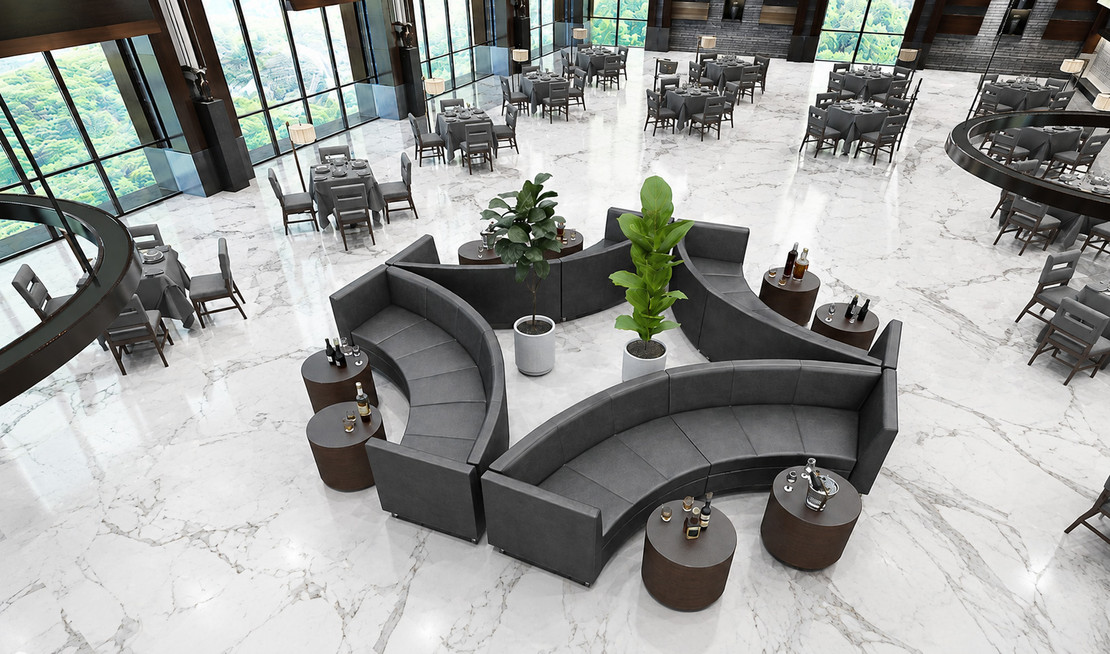
Once the floor plan begins to take shape, selecting the right seating becomes much easier. A balanced combination of Restaurant Booths, freestanding seating, banquettes, Communal Tables, and lounge areas allows operators to accommodate different party sizes while maintaining flexibility. Comfort is equally important. Guests who feel relaxed are more likely to enjoy their experience, stay longer, and return again.
Many first-time owners also discover that purchasing coordinated Restaurant Packages simplifies the design process. Choosing furniture collections that are designed to complement one another creates visual consistency while saving valuable planning time. Instead of mixing unrelated pieces, complete furniture packages help establish a professional appearance throughout the restaurant.
Tables deserve just as much attention as seating. The right Restaurant Tables should match your traffic patterns, available space, and expected customer turnover. Smaller tables often provide greater flexibility because they can easily be rearranged for larger parties. Meanwhile, properly sized aisles improve circulation for both guests and staff, making daily operations smoother.
If your concept includes a bar, selecting durable Bar Stools becomes another important decision. Bar seating experiences constant use and should provide comfort without sacrificing durability. The height, footrests, upholstery, and frame construction all contribute to the overall guest experience while standing up to years of commercial service.
Material selection is another area where planning pays dividends. Restaurant furniture is exposed to spills, cleaning chemicals, sunlight, heavy traffic, and thousands of guests each year. Rather than choosing finishes based solely on appearance, evaluate commercial-grade performance characteristics such as abrasion resistance, stain protection, cleanability, antimicrobial properties, moisture resistance, and fire code compliance. Reviewing physical Materials before making final decisions allows owners to compare colors, textures, and performance specifications under their actual lighting conditions.
Perhaps the biggest lesson experienced restaurant owners share is that successful interior design is about balance. A restaurant should be attractive, but it must also function efficiently. It should reflect your brand while remaining comfortable, durable, and easy to maintain. Investing time in careful planning before construction begins helps reduce costly changes later and creates an environment where both guests and employees can thrive.
The most memorable restaurants are rarely the ones with the most expensive finishes. They are the ones where every design decision—from the layout and seating to the furniture and materials—works together to create an experience guests remember long after the meal is over.
Source: ModernLineFurniture.com