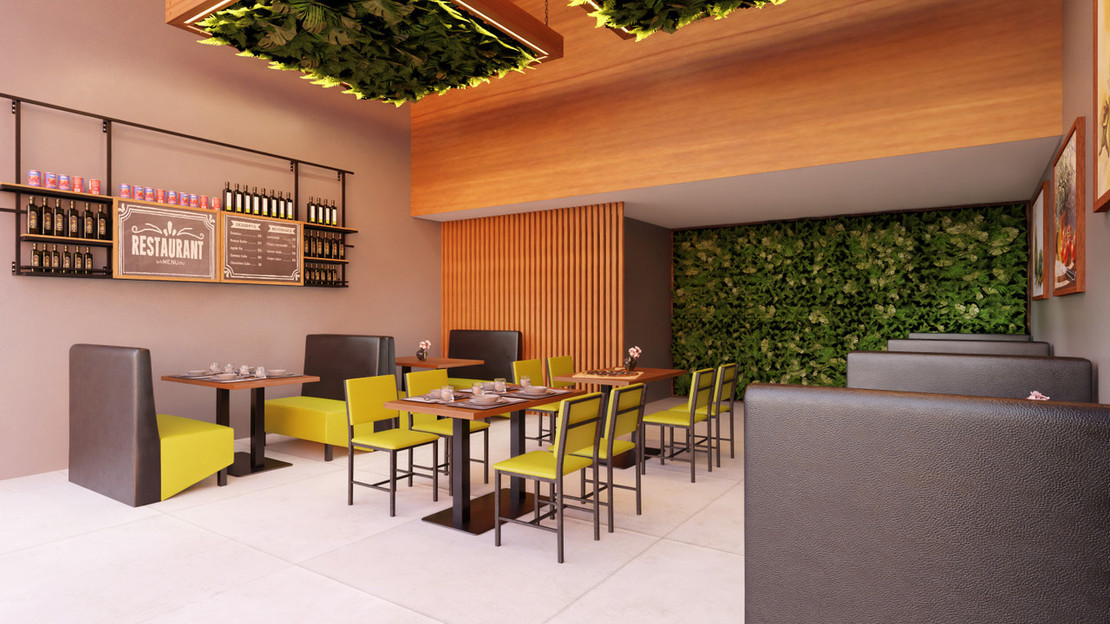
Inside the Furniture Buying Process for Restaurants and Hotels
These are the main questions operators are going through:
How does it start, one will ask?
When is the time to make a decision?
Why would I even bother if my upholstery is cracked and ripped?
To answer these time-sensitive questions, most operators eventually reach a point where the purchase becomes necessary rather than optional.
Sometimes it happens when they are in a rush and have no time to reupholster existing units in their restaurant. Other times, it’s because they believe they are getting a great deal from someone they know. In many cases, operators decide that a new, fresh look will bring more traffic and improve the overall appearance of the space once new restaurant booths, chairs, or tables are installed.
Some operators only replace partial items—such as restaurant chairs or bar stools—while others go through a full remodeling process. But in reality, there is rarely ever a “perfect time” if you ask a restaurant owner or operator. There is always something more urgent competing for attention.
That is why furniture decisions often become reactive instead of planned.
To make the process easier and more efficient, the key is to avoid spontaneous decisions and instead evaluate all important factors before placing an order.
Start by checking supplier lead times and estimated delivery dates (ETA) to avoid delays and unexpected surprises. These timelines can significantly affect your opening schedule or renovation planning.
Next, organize your design specifications clearly. Make sure your color selections are consistent across all pieces and that your new restaurant half-circle booths are designed with the correct radius to properly fit your space. Small measurement mistakes at this stage can create major layout issues later.
Also consider booth height carefully. Whether you are installing 3/4 booths or full-height seating, the decision will affect privacy, atmosphere, and visibility throughout the restaurant. Some layouts encourage guests to feel more enclosed and private, while others create a more open, social environment where guests can see and interact with the entire space.
When selecting tables, pay attention to table top thickness and proportions in relation to chair height and table base design. Even small mismatches can impact comfort, functionality, and overall balance of the dining setup.
Finally, ensure all upholstered items share a cohesive color palette. Consistency in materials, tones, and textures plays a major role in creating a unified hospitality environment.
All of these factors fall within the internal decision-making scope that operators and owners typically go through—often under pressure, time constraints, or budget limitations.
That is why understanding this process in advance helps reduce mistakes and improves long-term investment decisions in restaurant and hospitality furniture.
Source: https://www.