How to Keep Restaurants Afloat in Today's Economy
Every morning, someone unlocks the front door of a neighborhood restaurant before the first customer arrives. It may be a place you've never visited unless you enjoy supporting local businesses, but behind those doors is a tremendous amount of work, planning, and financial commitment. Many people see a busy dining room and assume the restaurant is doing well. What they don't see are the countless expenses and responsibilities that begin long before the first meal is served.
Opening a restaurant today is far more challenging than it was just a few years ago. The process starts with obtaining permits, health department approvals, occupancy inspections, business licenses, and many other requirements before the first customer can even walk through the door. Every delay costs money, making careful planning one of the most important investments a restaurant owner can make.
Once the paperwork is complete, the search for the right location begins. Finding the perfect property on a busy street or in a growing neighborhood often takes months of research and negotiation. Receiving the keys to the building is an exciting milestone, but it also marks the beginning of another significant financial commitment. Renovations, utilities, deposits, and construction expenses quickly add up. Still, choosing the right location can make every dollar worthwhile by creating long-term opportunities for customer growth.
The next phase involves coordinating multiple suppliers and contractors. Kitchen equipment must be delivered and installed on schedule. Hood ventilation systems, fire suppression equipment, extinguishers, emergency exit signs, refrigeration, plumbing, electrical work, and health inspections must all be completed before opening day. Every contractor depends on another, making scheduling one of the biggest challenges in the entire project.
Fortunately, a few parts of the process can be much easier. Restaurant equipment dealers and food service suppliers often provide a convenient one-stop solution for ordering kitchen equipment, cookware, plates, glassware, utensils, cleaning supplies, and linens. Working with established suppliers allows restaurant operators to simplify purchasing while reducing the number of vendors they need to manage.
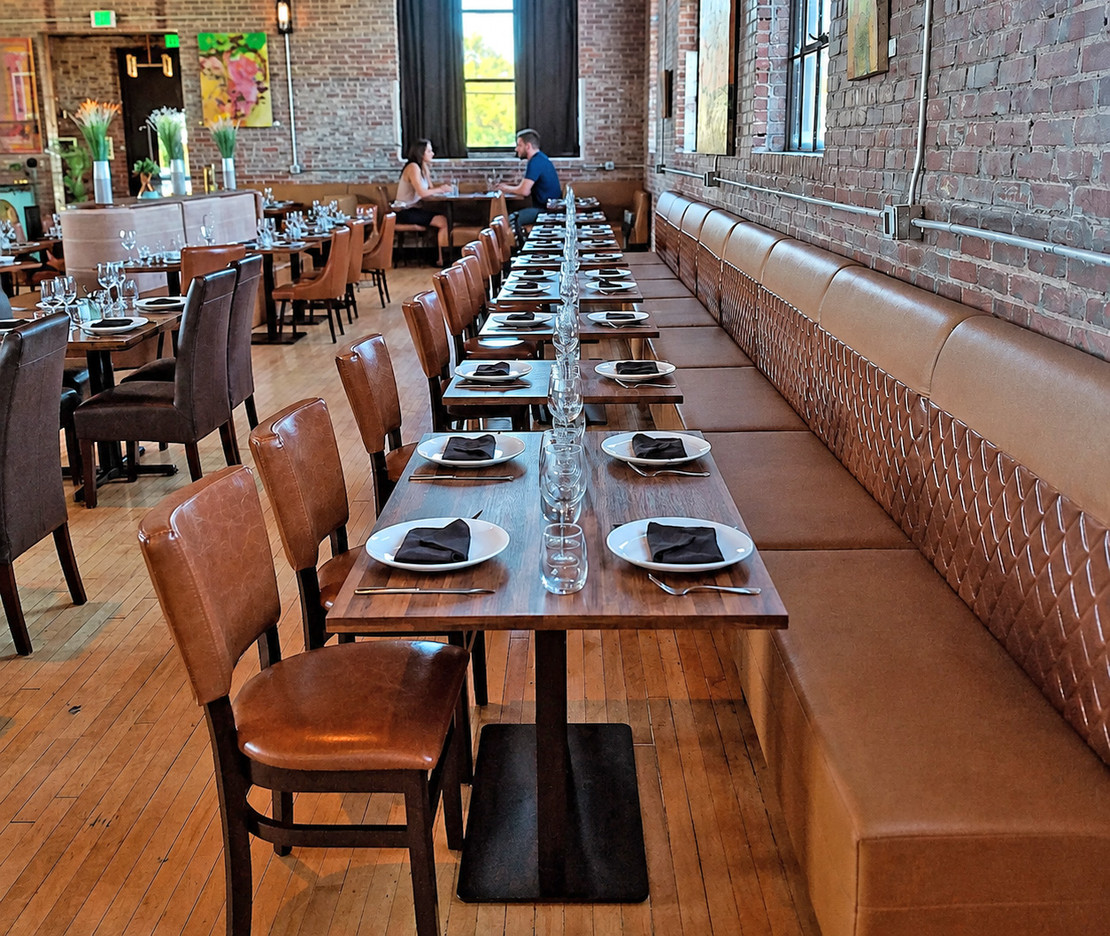
When it comes to Restaurant Furniture, however, restaurant owners usually have several different paths to consider. Many equipment dealers offer a limited selection of seating products that can be ordered along with kitchen equipment. While this may seem convenient, the available choices are often limited to basic designs with very few customization options.
For example, purchasing Restaurant Chairs and Tables from an equipment dealer typically means selecting from standard wood ladder-back or metal ladder-back chairs with limited upholstery selections, finishes, and frame colors. While these products may satisfy a basic need, they rarely create a memorable dining atmosphere that reflects a restaurant's unique brand and personality.
The same applies to Restaurant Booths. Unlike standard seating, booths often require custom lengths, corner configurations, upholstery choices, and layout planning that maximize available floor space. Working directly with experienced manufacturers gives restaurant owners access to significantly more design flexibility while allowing them to create a dining environment that improves comfort, privacy, and seating efficiency. Visiting a local showroom also gives operators the opportunity to compare materials, colors, comfort levels, and construction quality before making a final investment.
Regardless of which purchasing method is selected, every restaurant owner should carefully evaluate both budget and delivery schedules. Saving a few dollars upfront does not always result in the best long-term value. Commercial furniture is used thousands of times each year, making durability, comfort, warranty coverage, and replacement availability important factors that directly affect operating costs over time.
Operating a successful restaurant in today's economy requires much more than serving exceptional food. It requires controlling labor costs, managing inventory carefully, reducing waste, training employees, marketing consistently, and creating an atmosphere that encourages customers to return. Comfortable seating, efficient floor layouts, and attractive interiors all contribute to longer visits, repeat business, and positive online reviews.
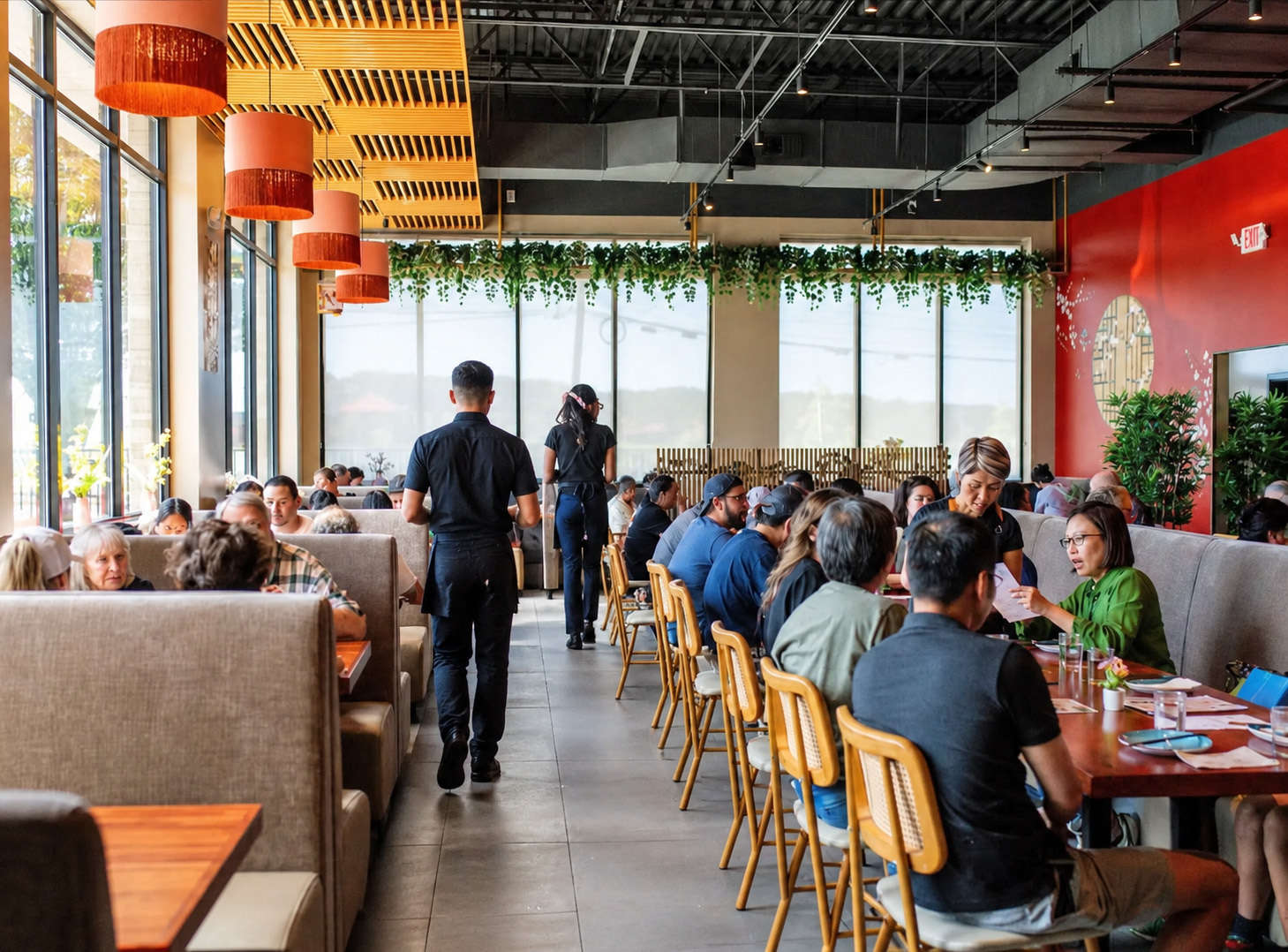
Restaurants that continually reinvest in their facilities often find that customers notice the difference. Clean, comfortable dining rooms create positive first impressions and help build customer loyalty. Whether guests are stopping in for a quick lunch or celebrating a special occasion, the overall experience is just as important as the meal itself.
Will you be happy to see your place looking like this ?
So let's ask the question one more time:
How Do You Keep Restaurants Afloat in Today's Economy?
There is no single answer. Success comes from making smart decisions every day. Choosing dependable suppliers, controlling operating costs, investing in quality products that last, and creating a comfortable dining environment all contribute to long-term profitability. While food costs, labor expenses, and economic conditions may continue to change, restaurant owners who focus on efficiency and customer experience are far more likely to build a business that stands the test of time.
Every dollar saved through careful planning is a dollar that can be invested back into the business. Every satisfied customer who returns with family and friends helps strengthen the restaurant's future. Whether it's selecting the right location, purchasing durable furniture, or designing a welcoming atmosphere that encourages guests to stay longer, each decision plays an important role in the restaurant's success.
In today's competitive marketplace, restaurants that plan ahead, manage expenses wisely, and continually invest in their customers' experience are the ones that don't simply survive—they continue to grow, adapt, and thrive for many years to come.