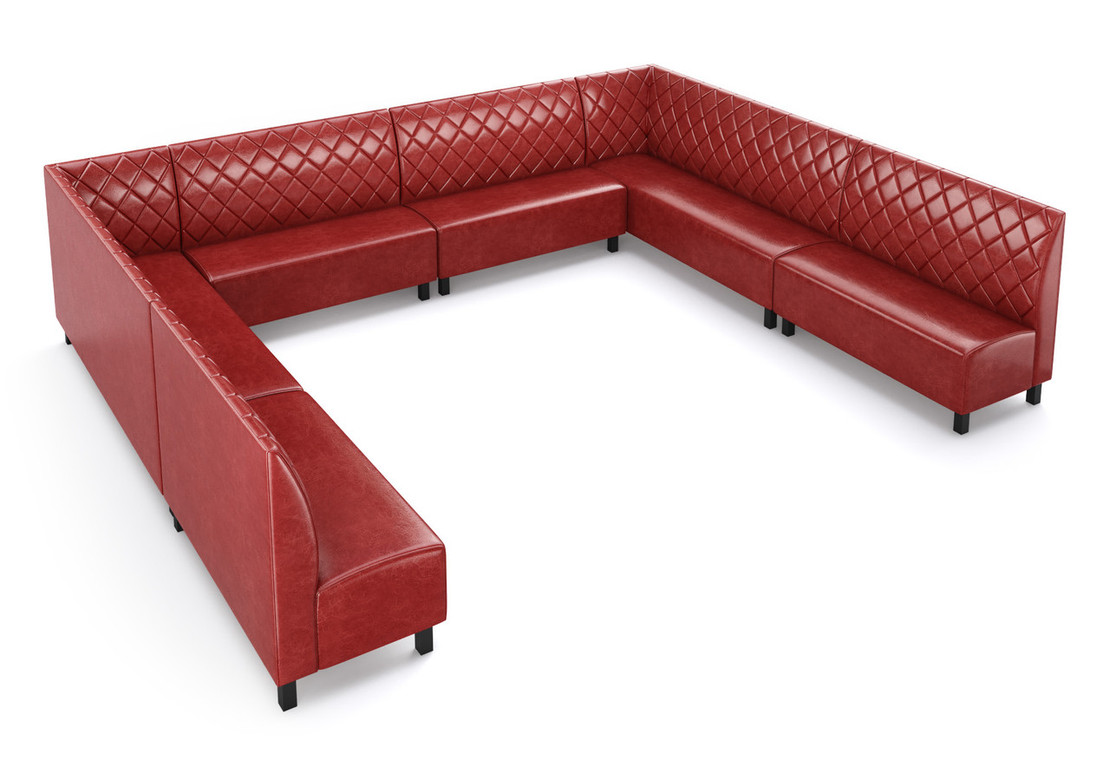
How to Identify High-Quality Restaurant Booths and What Sets Them Apart
When furnishing a restaurant, selecting the right booth seating is one of the most important decisions operators and owners will make. Restaurant booths are not only a major visual element of the space but also a critical component of comfort, durability, and overall guest experience. However, not all restaurant booths are created equal. While many may look similar online, the differences in quality become very clear once the furniture is placed into daily use.
It is important to understand that quality in commercial furniture is not accidental—it is engineered and built with purpose. In many cases, high-quality restaurant booths are manufactured in the United States, where strict production standards, materials, and craftsmanship are designed specifically for hospitality environments. On the other hand, many online offerings focus on speed and lower pricing, often prioritizing quick solutions rather than long-term performance. These options may appear attractive at first, but they can be unpredictable in quality and durability.
At the core of this topic is understanding that choosing furniture based only on price can lead to long-term challenges. Online products may look similar in photos, but once installed in a restaurant environment, the differences in construction, materials, and comfort become noticeable.
One of the most important factors in identifying high-quality restaurant booths is the internal frame construction. Premium booths are built using solid plywood or reinforced wood frames designed for commercial use. These frames are engineered to handle consistent weight and movement. Lower-quality booths often use lighter materials, which may weaken over time under heavy use.
Another key factor is the upholstery material and finishes. High-quality booths use commercial-grade vinyl or fabric that meets durability standards, including high double rub ratings and fire-rated codes such as CAL 117. These materials are designed to withstand spills, cleaning, and constant traffic. Lower-quality materials may crack, fade, or wear out quickly.
As Yana Katliarova, CFO, explains:
"If you want quality booths with materials and finishes that will pass the codes and last long use, work with U.S. manufacturers like Modern Line Furniture."
This highlights an important point—compliance, durability, and long-term performance are all directly connected to where and how the furniture is manufactured.
Comfort is another major difference between high-quality and lower-grade booths. The foam and cushioning system used inside the seating determines how the booth performs over time. High-density foam maintains its shape and provides consistent support, while lower-density foam may sag and lose comfort after repeated use.
Craftsmanship can also be seen in the stitching and design details. Features such as tufting, channel backs, and custom stitching require precision. Clean lines, tight seams, and consistent patterns are signs of quality manufacturing. Poor stitching or uneven finishes often indicate lower production standards.
Customization is another area where quality stands out. High-quality booths are often built to fit the exact layout of the restaurant. Custom sizes, shapes, and finishes allow operators to maximize space and create a cohesive design. In contrast, many lower-cost options are mass-produced and may not fit properly within the space.
Weight and stability also play a role in identifying quality. A well-built booth should feel solid and secure. Commercial booths are designed to support approximately 350 lbs per seat and remain stable during daily use. Lightweight or unstable booths can negatively impact both safety and guest experience.
Installation and fit are equally important. High-quality booths are designed with precise dimensions to align properly with walls and tables. Proper installation ensures that the seating is both functional and visually appealing. Poorly fitted booths can result in gaps, uneven seating, and layout issues.
Ultimately, understanding the difference between quality and quick solutions is key. High-quality restaurant booths are built for long-term use, while many online options are designed for immediate availability rather than durability. What may seem like a cost-saving decision at the beginning can lead to higher costs over time due to repairs, replacements, and operational challenges.
For restaurant owners and operators, investing in U.S.-made commercial furniture is not just about purchasing seating—it is about ensuring reliability, consistency, and long-term success.
Key Questions About Restaurant Booth Quality
Q: What makes a restaurant booth high quality?
A: High-quality booths are built with strong internal frames, commercial-grade materials, durable upholstery, and proper construction designed for heavy daily use.
Q: Why is U.S.-manufactured furniture considered better?
A: U.S. manufacturers typically follow strict production standards, use tested materials, and provide better consistency and durability for commercial environments.
Q: How can I tell if upholstery material is durable?
A: Look for high double rub ratings and fire-rated materials such as CAL 117, which indicate the material is suitable for commercial use.
Q: Why does booth weight and structure matter?
A: A solid, well-built booth ensures stability, safety, and long-term performance in high-traffic hospitality environments.
Q: Are lower-priced booths a good investment?
A: Lower-priced booths may seem attractive initially, but they often lead to higher long-term costs due to wear, repairs, or replacement.