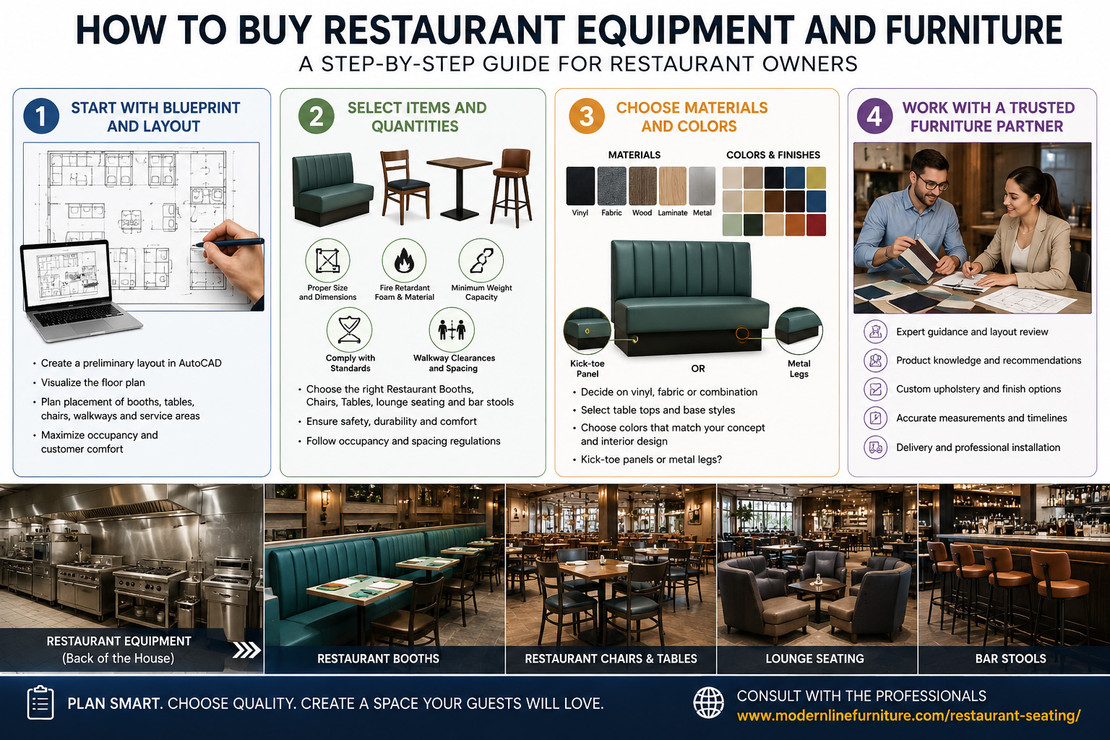
How to Buy Restaurant Equipment and Furniture a Step-By-Step Guide For Restaurant Owners
Buying restaurant equipment and furniture for your startup business is one of the biggest investments you will make when opening your first restaurant. Many new restaurant owners focus heavily on food, menu design, and marketing while overlooking the importance of selecting the proper restaurant furniture and commercial equipment that will support the operation for years to come.
The process involves much more than simply purchasing refrigerators, ovens, deep fryers, or prep stations. While these back-of-house items are extremely important for kitchen operations, customers will never truly see or appreciate them. Restaurant owners make these decisions based on durability, functionality, size, power requirements, and overall operational efficiency.
Restaurant furniture, however, is a completely different category.
Your restaurant furniture becomes part of the customer experience because it is located in the front of the house where guests dine, relax, and interact with your brand. Every decision involving Restaurant Booths, Restaurant Chairs, Restaurant Tables, lounge seating, and bar stools directly affects customer comfort, appearance, traffic flow, and the overall atmosphere of the restaurant.
Because of this, purchasing restaurant furniture requires careful planning, professional guidance, and a clear understanding of how the furniture will work within the available space.
According to Jennifer Perez, Office Manager of Modern Line Furniture, the first step should always begin with a blueprint and layout planning.
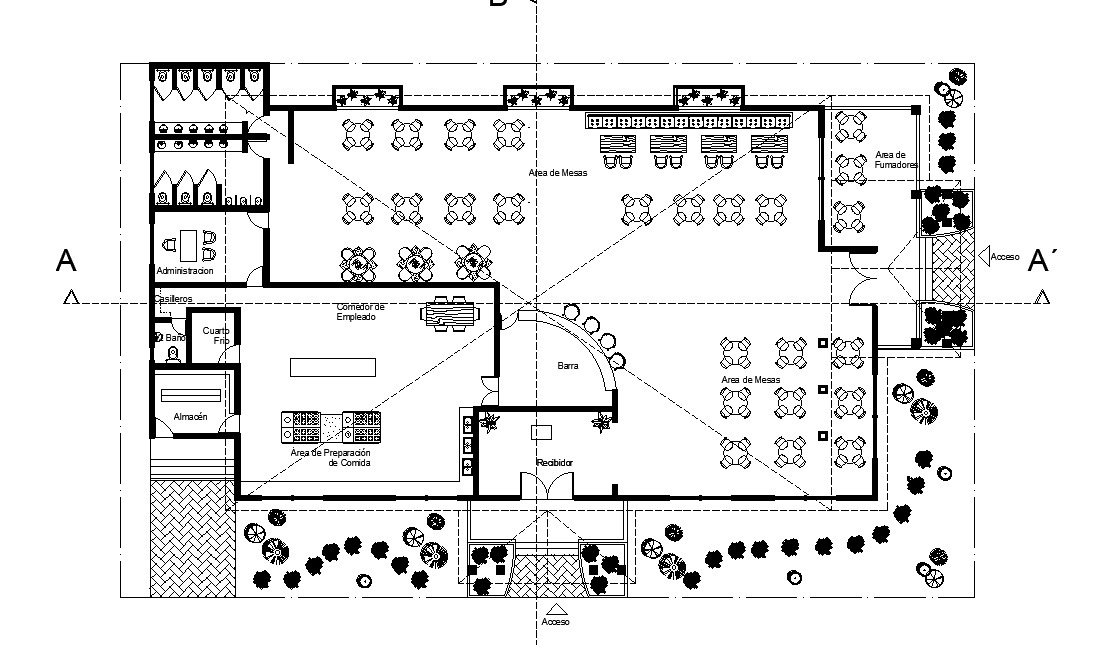
Many first-time restaurant operators attempt to select furniture styles before understanding how much seating their location can actually accommodate. Starting with a preliminary AutoCAD layout allows restaurant owners to visualize the floor plan and understand how booths, tables, chairs, walkways, waiting areas, and service stations will function together inside the restaurant.
A proper layout is extremely important because it helps maximize occupancy while still maintaining customer comfort and proper spacing requirements. Without a professional layout, many restaurants either overcrowd the dining room or leave valuable seating space unused.
The second step is determining the types and quantities of furniture needed within the allowed square footage and occupancy regulations. This is where working with an experienced Restaurant Furniture Manufacturer or commercial furniture dealer becomes essential.
Professional furniture suppliers help restaurant owners select the proper seating dimensions, table sizes, aisle clearances, and seating arrangements based on the concept and style of the establishment. Whether the restaurant is casual dining, fine dining, lounge style, café, nightclub, or hospitality-focused, every seating layout requires different planning.
For example, Restaurant Booths, Restaurant Chairs, Restaurant Tables, lounge seating, and bar stools may provide different advantages depending on the concept and operational goals. Restaurant Booths may offer privacy and maximize seating capacity, while freestanding Restaurant Tables and Chairs create flexibility for larger groups and changing layouts. Lounge seating and upholstered banquettes may create a more upscale appearance, while standard commercial chairs may provide easier maintenance and faster table turnover.
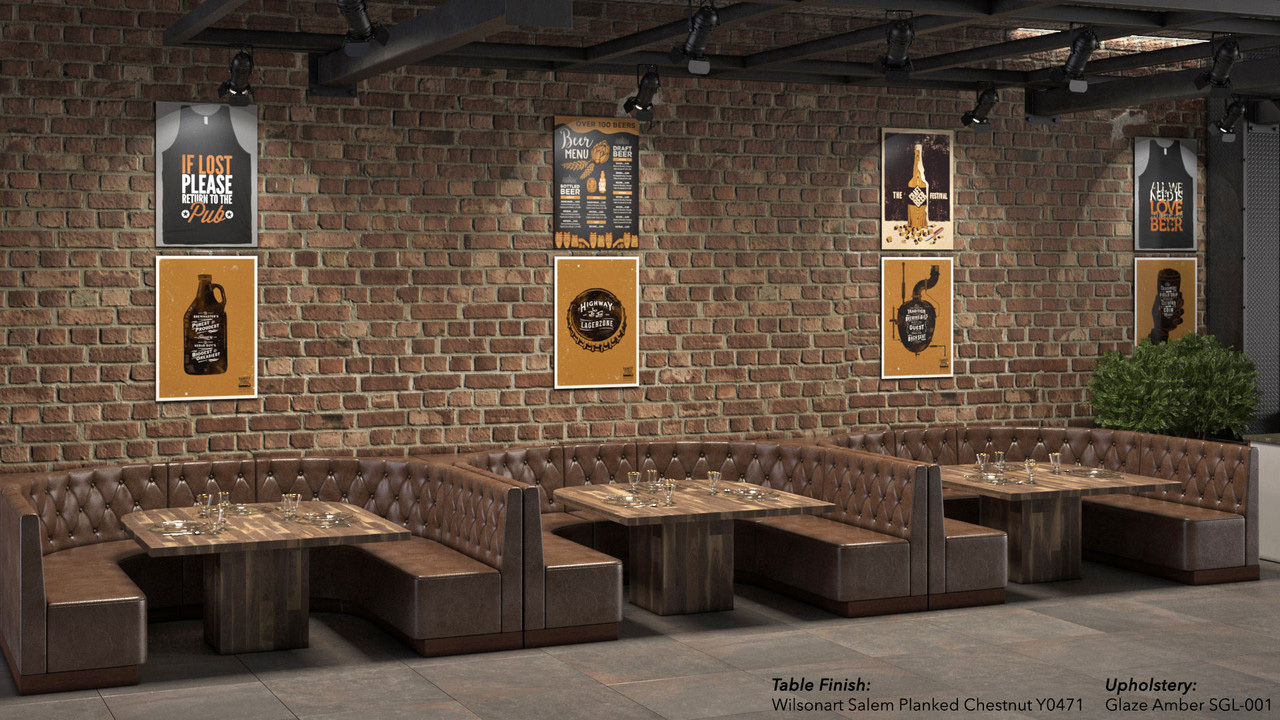
Another important factor is ensuring that all commercial furniture meets safety and durability standards. Restaurant seating should include proper weight capacity, commercial-grade frame construction, fire-retardant foam, and durable upholstery materials designed for high-traffic hospitality environments.
Walkway clearances between Restaurant Tables and Booths are equally important. Customers and servers need comfortable movement throughout the restaurant without overcrowding the dining room. Proper spacing also helps comply with occupancy and safety regulations.
The third step involves selecting materials, upholstery, finishes, and matching colors that will complement the restaurant’s overall design concept.
This stage often becomes one of the most exciting — and difficult — parts of the process for restaurant owners.
Many questions begin to arise during furniture selection:
Will the Restaurant Booths feature kick-toe panels or sit on metal legs?
Should the upholstery use a single-color vinyl or combine vinyl with fabric accents?
Will the tables feature laminate tops, solid wood surfaces, or stone finishes?
Will the furniture colors match the flooring, wall design, lighting fixtures, and bar area?
These decisions affect both appearance and long-term maintenance. Commercial vinyl materials may offer easier cleaning and durability, while fabrics may provide a softer upscale appearance. Metal bases may create a modern industrial style, while wood finishes may produce a warmer traditional environment.
Color coordination also plays a major role in the final customer experience. Dark upholstery may create a luxury lounge atmosphere, while lighter tones can make smaller restaurants feel more open and spacious.
The fourth and perhaps most important step is selecting the right supplier you can trust.
For many new restaurant owners, this process can become overwhelming very quickly. Unlike purchasing plates, glassware, or kitchen utensils, restaurant furniture requires professional planning, accurate measurements, custom production timelines, freight coordination, installation knowledge, and understanding of hospitality design standards.
Experienced commercial furniture manufacturers help eliminate costly mistakes by guiding operators through the process from beginning to end. A reputable supplier will explain product construction, recommend proper materials, review layouts, discuss lead times, and help owners avoid selecting furniture that may not properly fit the space or operational needs.
Opening a restaurant is already a major investment, and furniture decisions should never be rushed. The right restaurant furniture not only improves the appearance of the establishment but also impacts customer comfort, operational efficiency, and long-term durability.
Working with professionals who understand both Restaurant Equipment and Restaurant Furniture can help restaurant owners create a functional, stylish, and profitable environment from the very beginning.
To consult with professionals and explore commercial seating solutions, please visit Modern Line Furniture Restaurant Seating