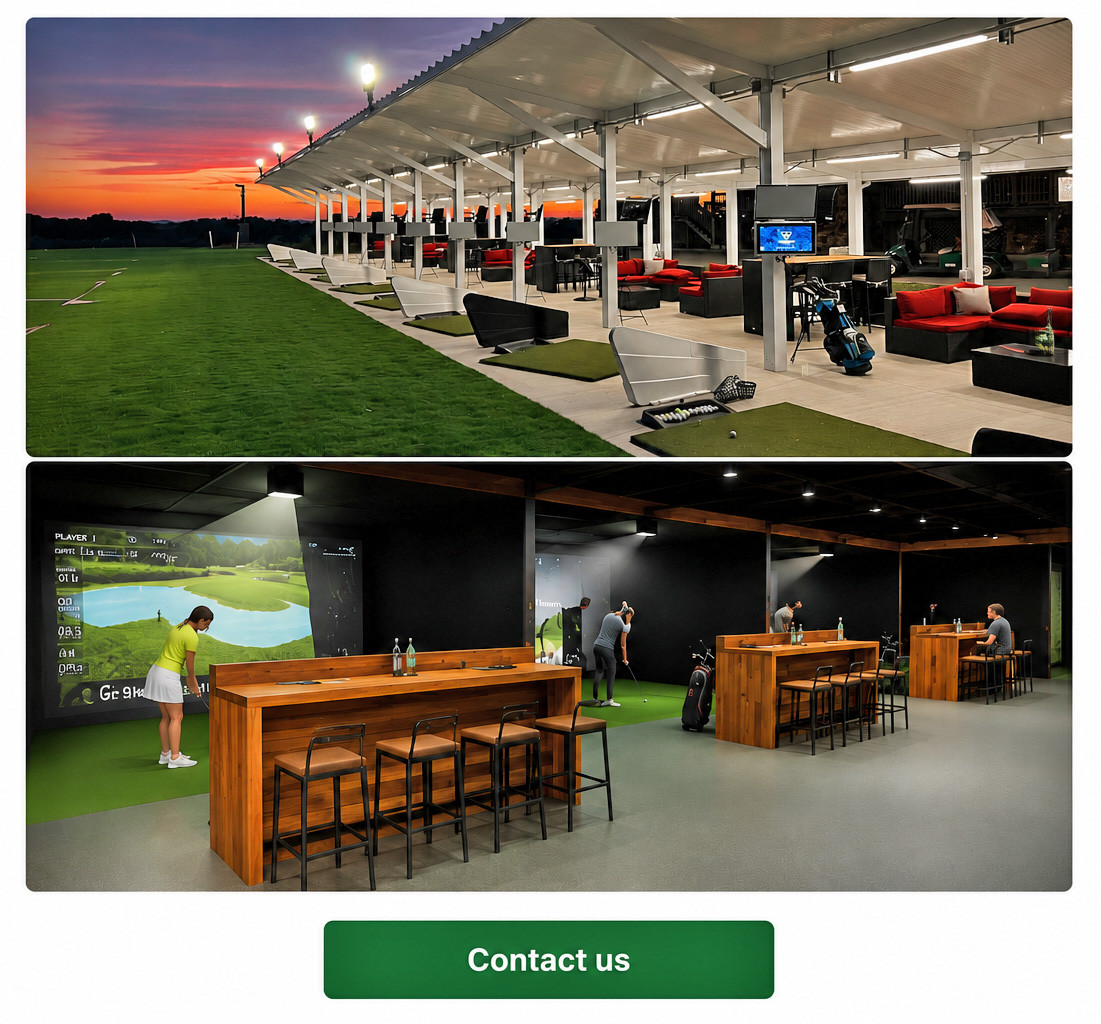
How to Build a Successful Golf Simulator and Driving Range Business
Launching a new golf simulator facility or outdoor driving range can be an exciting opportunity, but for many entrepreneurs and operators, the process quickly becomes overwhelming.
Whether you are planning an indoor golf simulator venue, a traditional driving range, or a hybrid golf entertainment concept, one question always comes first: Where do you start?
From selecting the right location and designing golf bays to choosing simulator technology and creating comfortable social spaces, there are countless decisions to make. New owners often find themselves researching everything independently, trying to determine which products, vendors, and solutions best fit their vision and budget.
Questions quickly begin to pile up.
Who provides the best golf simulators? What type of impact screens and sound systems should be installed? Where can operators source quality netting, ball dispensers, pickers, and lighting systems? What type of golf simulator furniture creates a memorable guest experience? Which seating options are durable enough for high-traffic commercial environments?
While many of these products can be purchased individually online or through local suppliers, managing multiple vendors can create delays, confusion, and unnecessary costs.
A more efficient approach is to work with an established vendor network.
By leveraging relationships with trusted industry suppliers, operators gain access to experienced professionals who understand every stage of golf facility development. Instead of coordinating dozens of separate companies, owners can consult with a network that connects them with leading providers for equipment, technology, furnishings, and installation services.
This collaborative approach helps ensure that every aspect of the project works together seamlessly while reducing risk and saving valuable time.
Industry leaders such as Stephen Arnold have embraced this model through the affiliate program offered by Cover the Tees.
Through the program, operators can connect with industry professionals who specialize in golf simulator technology, impact screens, audio systems, netting solutions, lighting, ball management equipment, and golf simulator furniture. Rather than searching for each solution independently, owners can consult with experts and streamline the purchasing process through one centralized resource.
The advantage of a vendor network goes beyond convenience. It creates opportunities for collaboration between suppliers, ensuring that equipment dimensions, technology requirements, and furniture layouts work together from the start.
Whether you need guidance selecting simulator software, choosing commercial seating, or planning traffic flow between golf bays and lounge areas, experienced vendors can help answer questions before costly mistakes occur.
Building a successful golf simulator or driving range business requires more than great equipment. It requires a coordinated strategy, trusted partnerships, and a commitment to creating an exceptional guest experience.
Q&A
Why should golf facility owners work with a vendor network?
A vendor network simplifies the planning process by connecting owners with trusted suppliers who specialize in golf technology, lighting, netting, furniture, and operational equipment. This approach reduces research time, improves communication, and helps avoid costly errors.
What products are typically needed for a golf simulator or driving range?
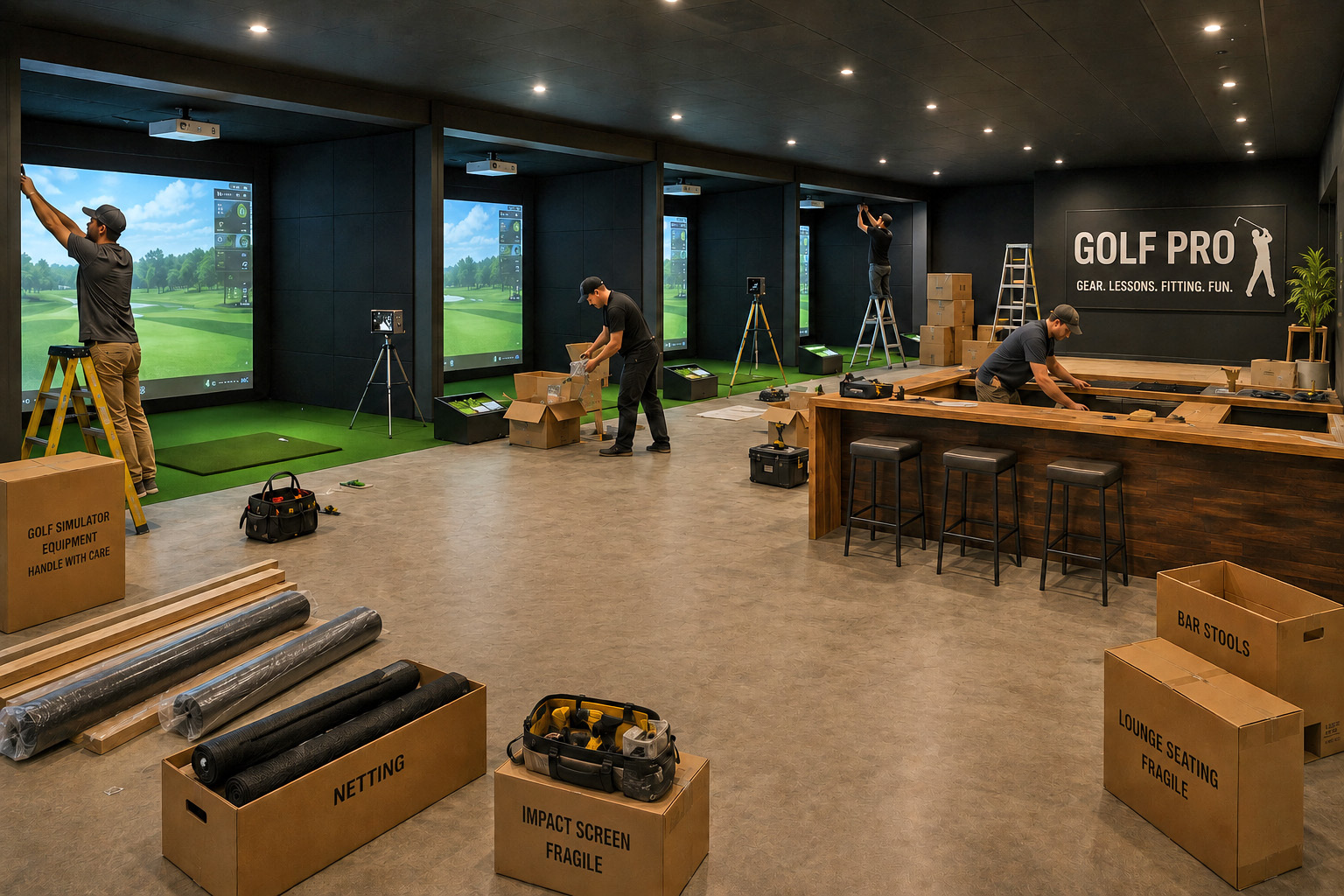
Most facilities require simulator technology, impact screens, projectors, audio systems, lighting, netting, ball dispensers, pickers, commercial furniture, bar seating, and lounge areas designed for guest comfort.
How can new operators get started?
Begin by defining your business model, budget, and target audience. Then work with experienced industry professionals who can recommend the right products and connect you with qualified vendors.
To start your project and connect with experienced golf industry suppliers, visit the affiliate program at Cover the Tees