How Furniture and Atmosphere Influence Restaurant Revenue
Restaurant success is often attributed to food quality and service — and while those elements are essential, they are not the only factors influencing revenue. The atmosphere created by furniture, layout, and overall design plays a powerful role in how guests perceive the space, how long they stay, and whether they choose to return.
When asking why some restaurants consistently outperform others, the answer is rarely a single factor. Instead, success is built on a combination of concept clarity, cohesive design, comfort, and emotional connection. Furniture and atmosphere become silent contributors that shape the guest experience from the moment they walk through the door.
Concept and Planning: The Foundation of Success

Designing a restaurant is an exciting yet stressful process. Before selecting furniture or décor, operators must begin with a clear concept and a well-structured blueprint. The layout determines not only visual flow but also operational efficiency, seating capacity, and guest comfort.
Placing the blueprint on the table early allows decision-makers to define:
-
Traffic flow and circulation
-
Seating zones and focal points
-
Dining density and spacing
-
Service pathways for staff
A restaurant that is carefully planned before opening often experiences smoother operations and stronger guest impressions.
Cohesive Design Creates Emotional Connection
Once the concept is established, design cohesion becomes the next key element. Guests may not consciously analyze design details, but they immediately sense when a space feels unified and intentional.
Wall colors, flooring materials, upholstery tones, and furniture finishes should complement one another rather than compete for attention. When colors and materials are aligned, the restaurant atmosphere feels polished and inviting.
For example, upholstery selections that coordinate with flooring tones and wall finishes help create visual harmony. This cohesion builds emotional comfort, allowing guests to relax and focus on the dining experience rather than feeling visually overwhelmed.
Furniture Placement and Zoning
After concept and design alignment, the strategic placement of furniture becomes critical. Seating should be positioned according to the blueprint, creating clearly defined dining zones while maintaining open circulation paths.
Proper zoning helps:
-
Improve guest privacy
-
Reduce noise overlap
-
Allow staff to move efficiently
-
Prevent overcrowding
Comfortable, stylish furniture placed in intentional areas reinforces both functionality and atmosphere.
The “Wow” Factor: Booths, Chairs, and First Impressions
Restaurant booths and chairs often serve as focal points within the dining room. Their visual presence contributes to the initial “wow” factor that guests experience upon arrival.
However, appearance alone is not enough. Seating must also deliver lasting comfort. Guests quickly recognize when furniture looks appealing but fails to provide proper support.
Well-designed booths and chairs achieve both objectives:
-
Visual impact that enhances the space
-
Comfortable seating that encourages longer visits
This combination strengthens the emotional connection between the guest and the environment.
Comfort Influences Guest Patience and Spending
Comfort directly impacts guest behavior. When guests feel relaxed and supported, waiting times feel shorter, conversations last longer, and the dining experience becomes more enjoyable.
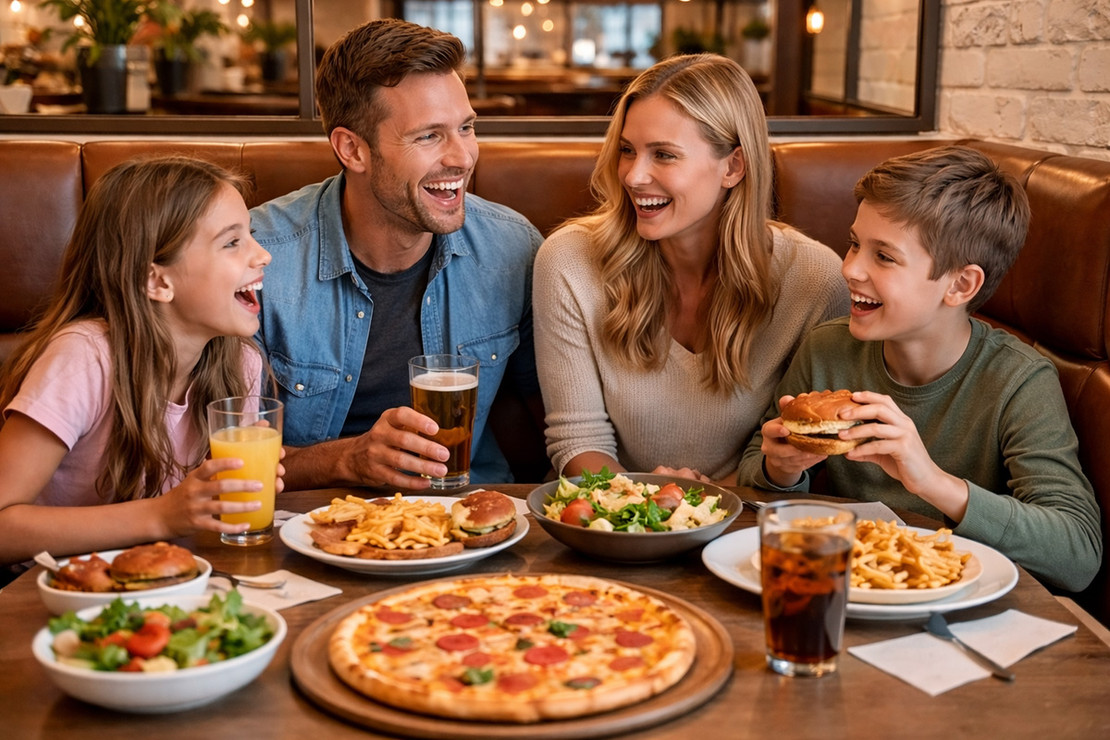
Even when service delays occur, comfortable seating reduces perceived inconvenience. Families and groups seated in supportive, well-designed environments are more likely to remain engaged and patient, often leading to additional orders and extended visits.
In contrast, uncomfortable seating can shorten dining duration and reduce the likelihood of repeat visits.
Quality Materials Drive Long-Term Impressions
Furniture quality plays a significant role not only in durability but also in perceived value. High-density foam, strong frame construction, and carefully executed stitching details contribute to long-term comfort and visual integrity.
Guests may not consciously identify foam density or upholstery construction, but they recognize when seating maintains its shape and comfort over time. Quality materials create a consistent experience that supports both first impressions and repeat business.
Restaurants that invest in durable, comfortable furniture often see stronger customer retention because the environment continues to meet expectations long after opening day.
Atmosphere, Service, and the Complete Experience
While service remains one of the most important components of restaurant success, atmosphere works alongside it to shape the overall experience. Guests evaluate their visit as a complete package — food, service, comfort, and environment.
When furniture design supports comfort and aesthetic cohesion, guests are more likely to focus on enjoyment rather than discomfort or distraction. This emotional response encourages return visits and positive word-of-mouth recommendations.
Final Thoughts
Restaurant revenue is influenced by far more than menu offerings alone. Furniture selection, layout planning, comfort, and cohesive design all contribute to how guests behave within a space.
By establishing a clear concept, maintaining design harmony, investing in comfortable seating, and prioritizing quality materials, operators create environments where guests feel welcomed, relaxed, and eager to return. Over time, these details translate into stronger guest loyalty and improved financial performance.
For professional guidance on furniture selection and restaurant design strategies, contact Sales@modernlinefurniture.com.
Key Questions Answered
Q: Why does furniture impact restaurant revenue?
A: Furniture influences comfort, guest stay duration, and overall experience, all of which contribute to spending and repeat visits.
Q: How important is design cohesion in a restaurant?
A: Cohesive design creates emotional comfort and strengthens the overall perception of quality.
Q: Do booths increase guest satisfaction?
A: Yes. Booths provide privacy and comfort, often encouraging longer visits and higher spending.
Q: How does seating comfort affect wait tolerance?
A: Comfortable seating reduces perceived wait time and helps guests remain relaxed even during service delays.
Q: Why should restaurants invest in high-quality materials?
A: Durable materials maintain comfort and appearance over time, supporting long-term guest satisfaction and retention.