Understanding Material Performance Beyond Appearance
One of the most important specifications when evaluating vinyl durability is the abrasion test, measured in double rubs. This test simulates repeated friction to determine how well a material holds up over time. The industry-standard test is performed using Wyzenbeek machinery, which delivers consistent and measurable results.
Higher double-rub numbers indicate stronger resistance to wear. For restaurant environments, 500,000 double rubs is considered ideal — and the higher the number, the longer the material is expected to last under heavy traffic.
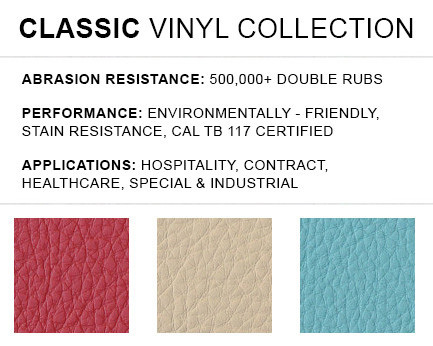
A popular example is the Classic Vinyl Collection, which delivers 500,000 double rubs along with a wide range of color options. This makes it a practical choice for restaurants that want long-term performance without sacrificing design flexibility.
Fabric as an Alternative to Vinyl
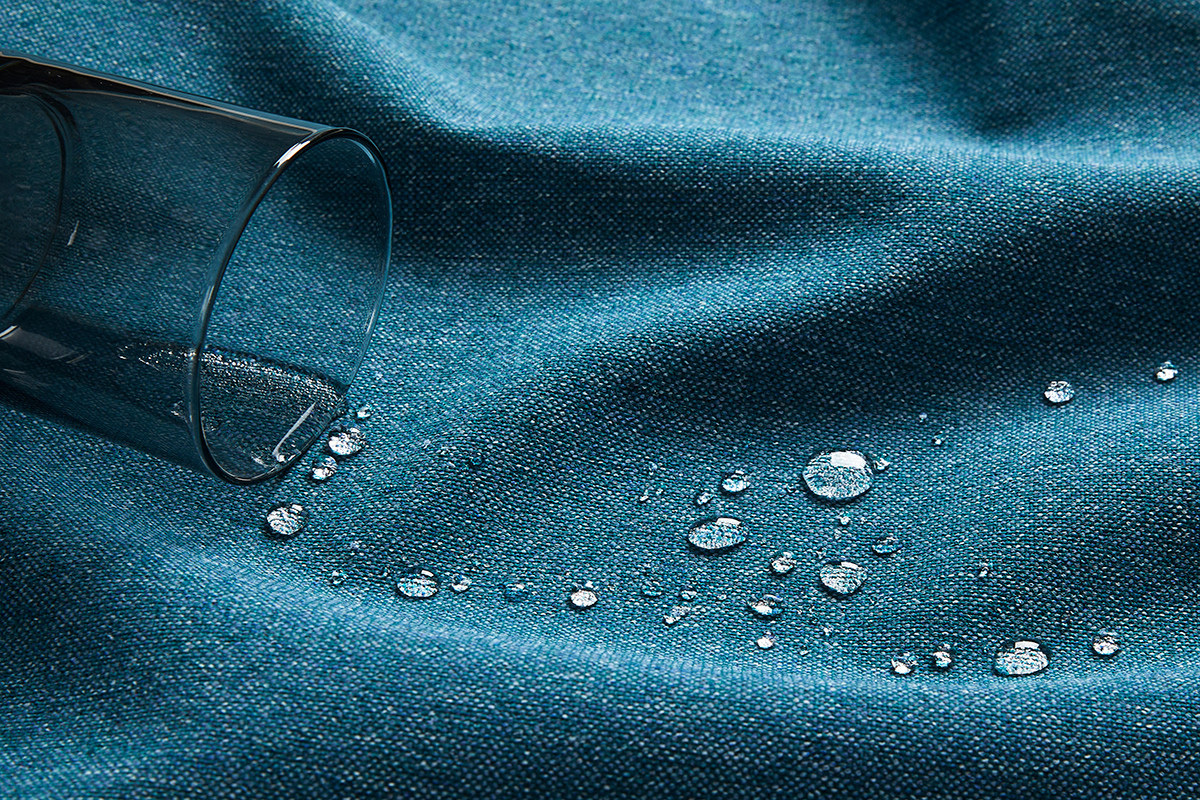
While vinyl remains the most common choice for restaurant booths, fabric can also be an option when the correct specification is selected. Standard fabrics often lack spill resistance, but waterproof performance fabrics bridge that gap.
Using Como Waterproof Fabric allows restaurateurs to achieve a softer, textile look while maintaining protection against moisture and spills. With 100,000 double rubs, this type of fabric works well in full-service or design-forward restaurants where comfort and aesthetics are prioritized alongside durability.
Selecting the Right Design Stitching
Material selection is only half the equation. Design stitching for booth back panels and seating surfaces plays a major role in longevity, comfort, and maintenance.
For seating surfaces, industry experience consistently supports flat seat construction with no stitching. Seat areas experience the most friction and pressure, and eliminating seams reduces failure points and improves lifespan.
Back panel stitching offers more flexibility and is often used to define the restaurant’s style:
-
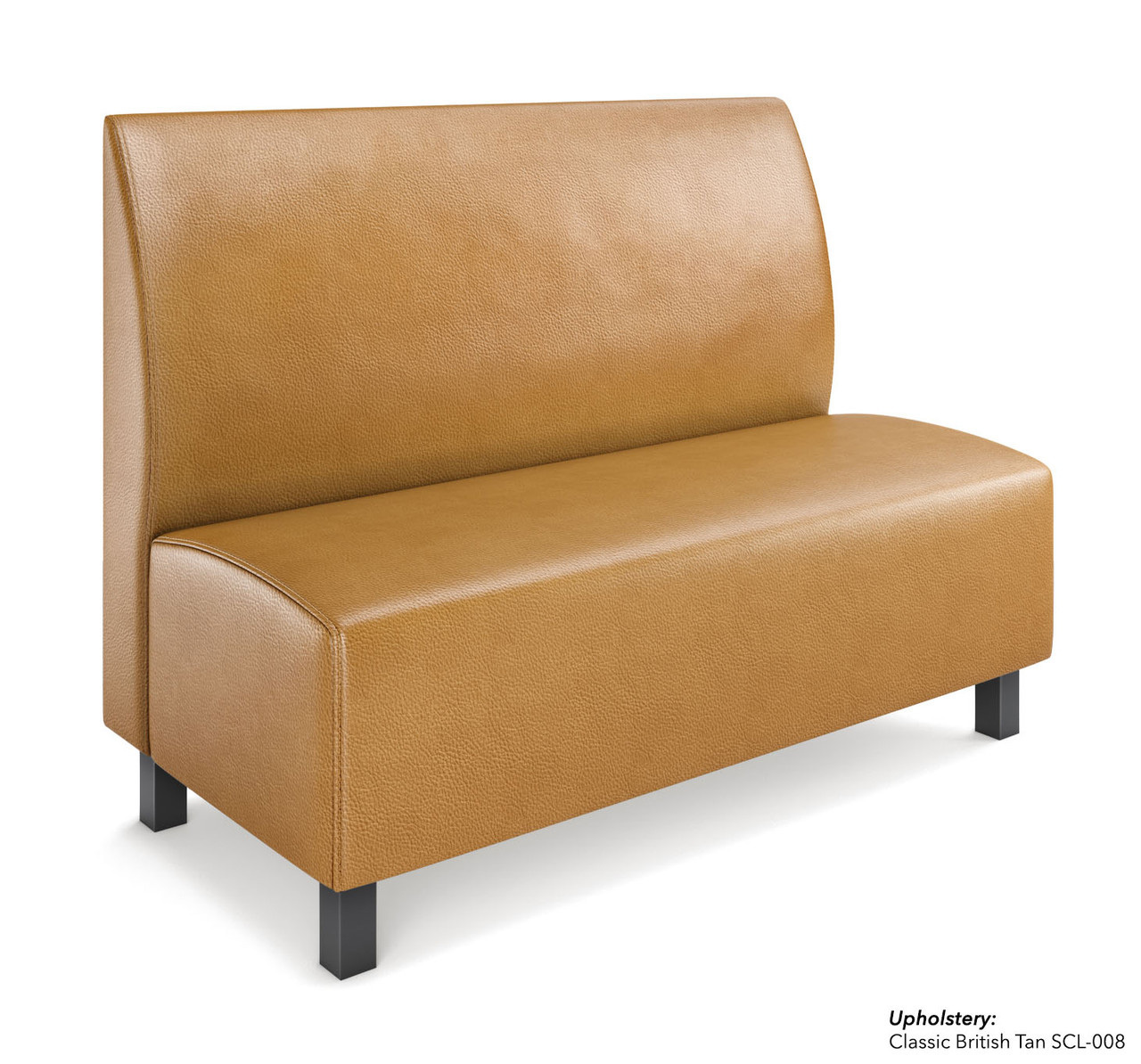
Flat back panels – Best for quick-service and fast-casual restaurants seeking a clean, simple look
-
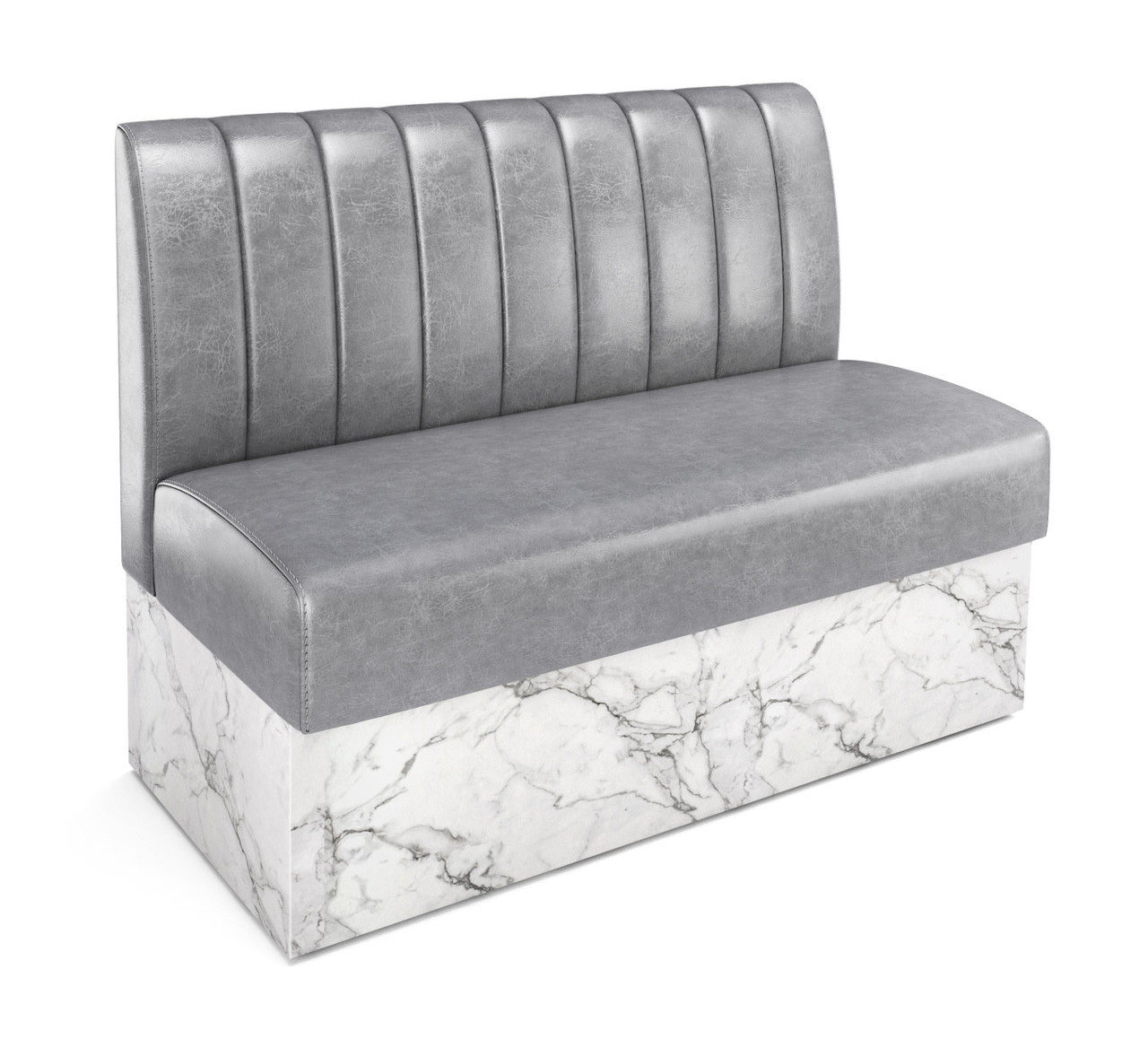
Channel back stitching – Ideal for full-menu restaurants with sit-down service, balancing style and durability
-
Diamond tufted backs (with or without buttons) – Suited for upscale environments such as steakhouses and resort dining, where visual impact is part of the experience
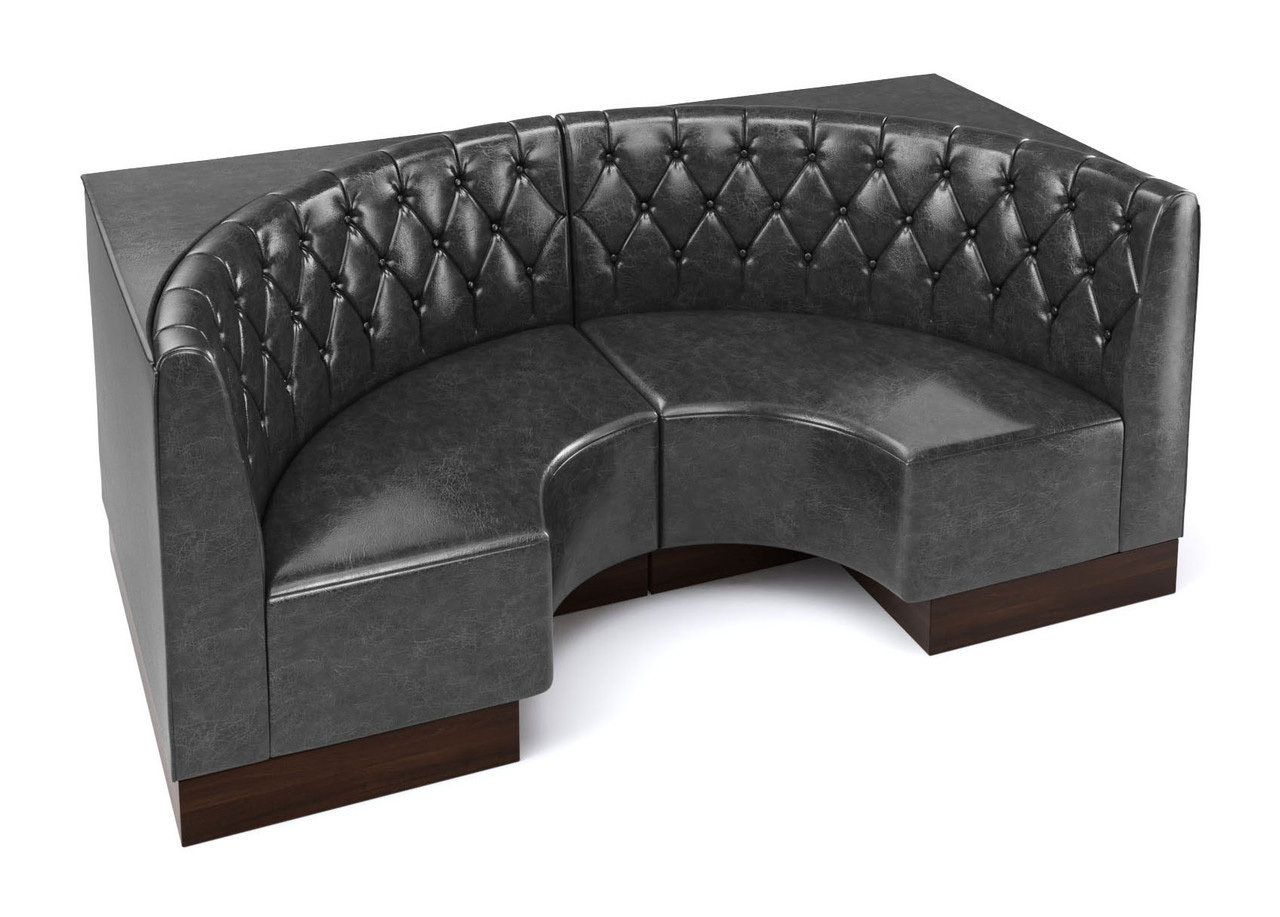
More decorative stitching should be reserved for back panels, not seating surfaces, to avoid unnecessary wear.
Matching Design to Restaurant Concept
The key is aligning material and stitching choices with the restaurant’s service model. Simple layouts benefit from flat designs, while premium dining environments can justify more detailed upholstery — provided the material specifications support heavy use.
Key Questions Answered (Q&A)
Q: Why do double rubs matter when choosing booth upholstery?
A: Double rubs measure abrasion resistance. Higher numbers mean the material can withstand more wear before showing damage.
Q: Is 500,000 double rubs necessary for all restaurants?
A: For high-traffic dining environments, yes. It significantly extends the usable life of booth seating.
Q: Can fabric really perform as well as vinyl in restaurants?
A: Only if it is a waterproof, commercial-grade fabric designed for food-service use.
Q: Why should booth seats avoid stitching?
A: Stitched seams on seating surfaces experience constant friction and are more likely to fail over time.
Q: Which stitching style is best for upscale restaurants?
A: Diamond tufted back panels with buttons or channel stitching offer a refined, high-end appearance when paired with durable materials.