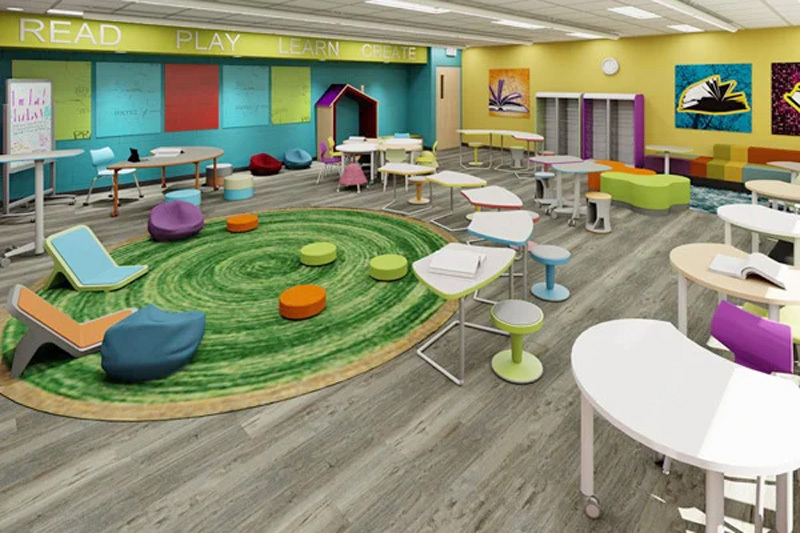
Furnishing schools and universities with the right seating and tables requires careful planning and understanding of how educational spaces are used daily. Unlike traditional environments, modern campuses demand flexibility, durability, and functionality to support both learning and collaboration.
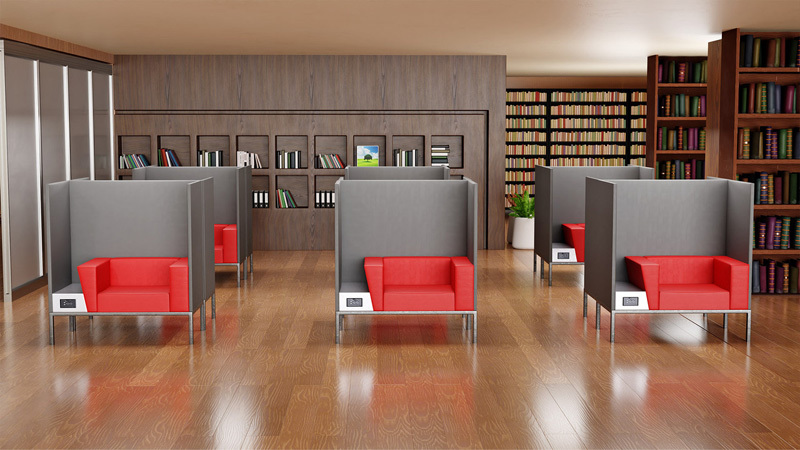
When purchasing seating and tables, it is also important to understand the estimated production and delivery timelines. Once operators or school administrators are ready to proceed with a purchase order, a clear ETA helps ensure proper planning and coordination. Knowing when the furniture will be produced and delivered allows both the buyer and supplier to stay aligned, making the entire process smoother and more efficient.
The next important factor is deciding between permanent and modular solutions. Fixed seating and large communal tables provide structure and consistency, especially in classrooms or lecture areas. However, modular seating—such as benches, ottomans, and lounge pieces—offers flexibility, allowing spaces to be easily rearranged for group work, study sessions, or events.Modern educational environments benefit greatly from mobile and adaptable furniture. Smaller tables, especially those with integrated charging ports, can be easily moved and repositioned as needed. This allows students and staff to adjust the space based on different activities throughout the day.
Durability is another key consideration. School and university furniture must withstand constant daily use. Materials should be commercial-grade, easy to clean, and resistant to wear. Upholstered seating should use high-performance fabrics or vinyl, while table tops should be scratch-resistant and built to last.
Another important step in the process is evaluating the reliability of the supplier. With many options available online, it is essential to review previous projects, understand product specifications, and ensure the manufacturer has experience in educational environments. Working with a trusted company such as Modern Line Furniture provides access to expert guidance, customization options, and consistent quality.
Balancing aesthetics with functionality is also critical. The right combination of colors, finishes, and layouts can create a welcoming environment that supports both focus and collaboration. Two-tone seating options, modern finishes, and coordinated table designs can enhance the overall look while maintaining practicality.
Ultimately, the goal is to create a space that is efficient, adaptable, and built for long-term use. By carefully planning seating capacity, selecting the right mix of modular and permanent furniture, and working with experienced manufacturers, schools and universities can create environments that support both students and staff effectively.
Key Questions About Educational Seating and Tables
Q: What is the most important factor when selecting school furniture?
A: Durability and the ability to handle daily high-traffic use.
Q: Should schools use modular or fixed furniture?
A: A combination of both is ideal—fixed for structure and modular for flexibility.
Q: How can I ensure I am buying from a reliable supplier?
A: Review past projects, request specifications, and work with experienced manufacturers who specialize in commercial-grade furniture.