









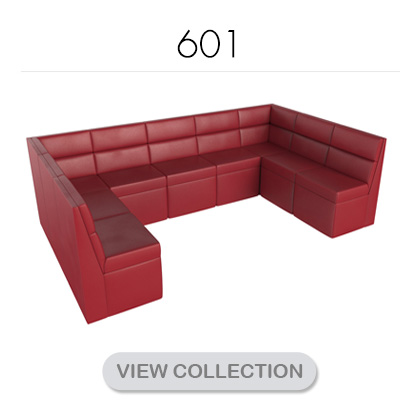
Modular Lounge Seating – Key Questions Answered
When selecting commercial lounge seating, common questions include what makes lounge seating different from sofas, which modular pieces are needed, how layouts affect traffic flow, what materials perform best, how easy units are to reconfigure, and what happens if a single piece is damaged. Commercial lounge seating is a modular system built from armchairs, armless units, corners, benches, and ottomans that can be arranged to fit the space and adjusted over time. Built with durable frames, high-density foam, and fire-rated, high double-rub upholstery, lounge seating offers flexibility, longevity, and easy replacement of individual units—making it ideal for hospitality, entertainment, and hybrid commercial environments.
Q: What is commercial lounge seating and how is it different from sofas?
A: Commercial lounge seating is a modular seating system made up of multiple individual components rather than a single fixed unit. Unlike sofas, lounge seating allows designers and operators to create flexible layouts that adapt to space size, traffic flow, and future reconfiguration needs.
Q: What types of pieces are typically included in lounge seating?
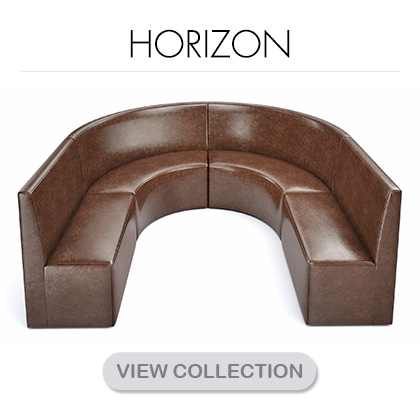
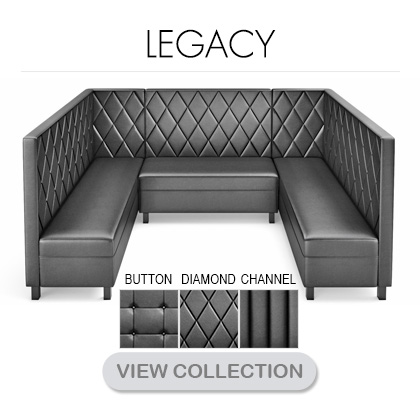
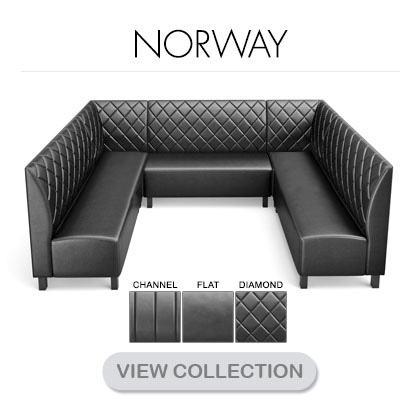
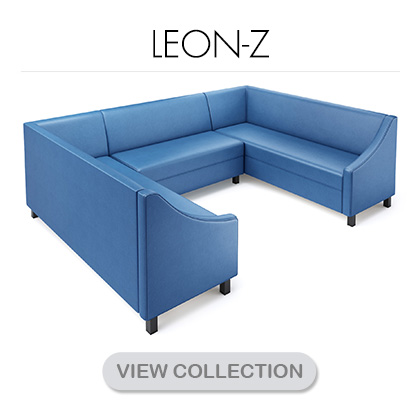
A: Lounge seating systems commonly include armchairs, armless chairs, corner units, benches, ottomans, and modular connectors. These components can be combined to form straight runs, L-shapes, U-shapes, or open seating groupings depending on layout requirements.
Q: Where is lounge seating best used in commercial spaces?
A: Lounge seating is ideal for hospitality lounges, entertainment and gaming centers, bowling and golf facilities, lobbies, waiting areas, and hybrid commercial environments where flexibility, comfort, and guest interaction are important.
Q: How does lounge seating impact space planning and traffic flow?
A: Because lounge seating is modular, it allows for efficient space utilization, clear circulation paths, and easy layout adjustments for events, peak hours, or changing operational needs—advantages that fixed sofas cannot provide.
Q: What is the best way to connect and disconnect modular lounge units for different party sizes?
A: The best solution is to use hidden connection buckles installed underneath or on the sides of the units. This keeps all pieces securely connected during use while allowing for quick and easy reconfiguration when layouts need to change for different events or group sizes.
Q: Is lounge seating easy to move and reconfigure?
A: Yes. Most lounge seating components are designed with legs or glides, making individual units easy to move, replace, or expand without disturbing the entire seating arrangement.
Q: Why does modular design matter in lounge seating?
A: Modular design future-proofs commercial spaces, allowing layouts to evolve over time without requiring a full furniture replacement. This flexibility supports long-term operational changes and reduces overall costs.
Q: What happens if one lounge unit gets damaged during an event or heavy use?
A: This is one of the biggest advantages of modular lounge seating. If a unit becomes damaged, it can be removed and replaced individually without replacing the entire setup. Replacement units will match seamlessly, protecting the overall investment.