When clubs, lounges, and public spaces plan to purchase modular seating, buyers must answer several key questions before selecting the right system. Modular seating is designed to offer flexibility, but that flexibility only works when the furniture is engineered correctly for the way the space will be used.
One of the first considerations is whether the seating units will be permanently buckled together or remain free-standing. In venues where layouts change frequently based on event size, private parties, or crowd flow, permanently connected seating is not recommended. Fixed buckles limit adaptability and restrict how many people can be seated comfortably as group sizes change.
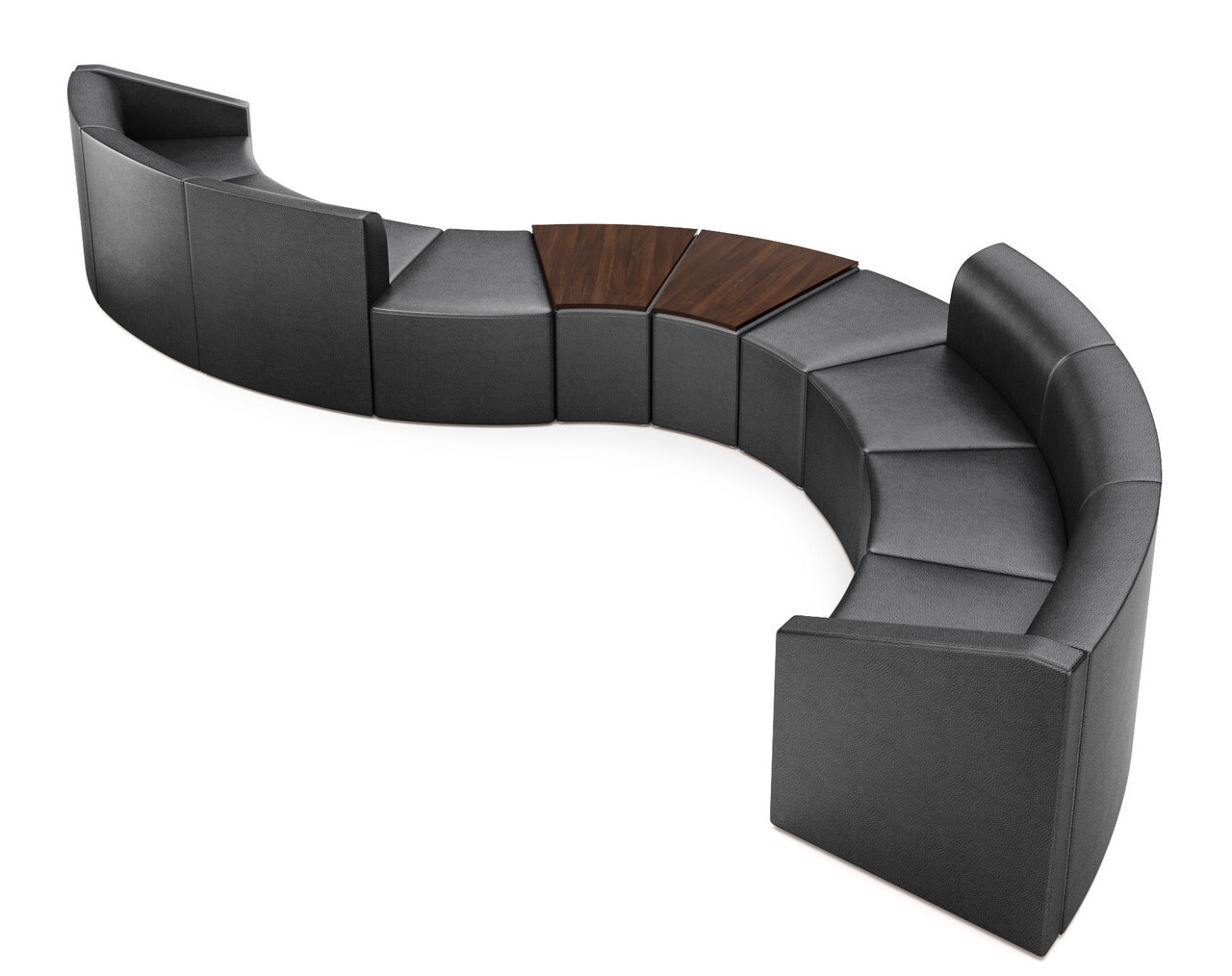
For spaces that host varying party sizes, modular seating should be free-standing and rely on its own weight for stability. Each unit must be heavy enough to stay in place during normal use, eliminating the need for permanent connectors, while still allowing staff to rearrange layouts quickly. Properly weighted modular units reduce shifting, improve safety, and maintain clean alignment without locking pieces together.
Another major advantage of modular seating is how easily it can be reshuffled. Armless chairs and corner units allow owners and operators to create multiple configurations using the same components. Straight-line banquettes, L-shapes, U-shapes, and individual VIP sections can all be formed by rearranging pieces. This flexibility is especially valuable for lounges, clubs, and public seating areas that host different events throughout the week.
Back height selection is another critical decision. Low-back modular seating keeps spaces visually open and allows guests to enjoy stage views, entertainment, or shared experiences across the room. High-back modular seating, on the other hand, creates privacy and separation, making it ideal for VIP areas or premium sections where guests prefer a more intimate environment. Many venues successfully combine both, using high backs for private zones and low backs for general seating.
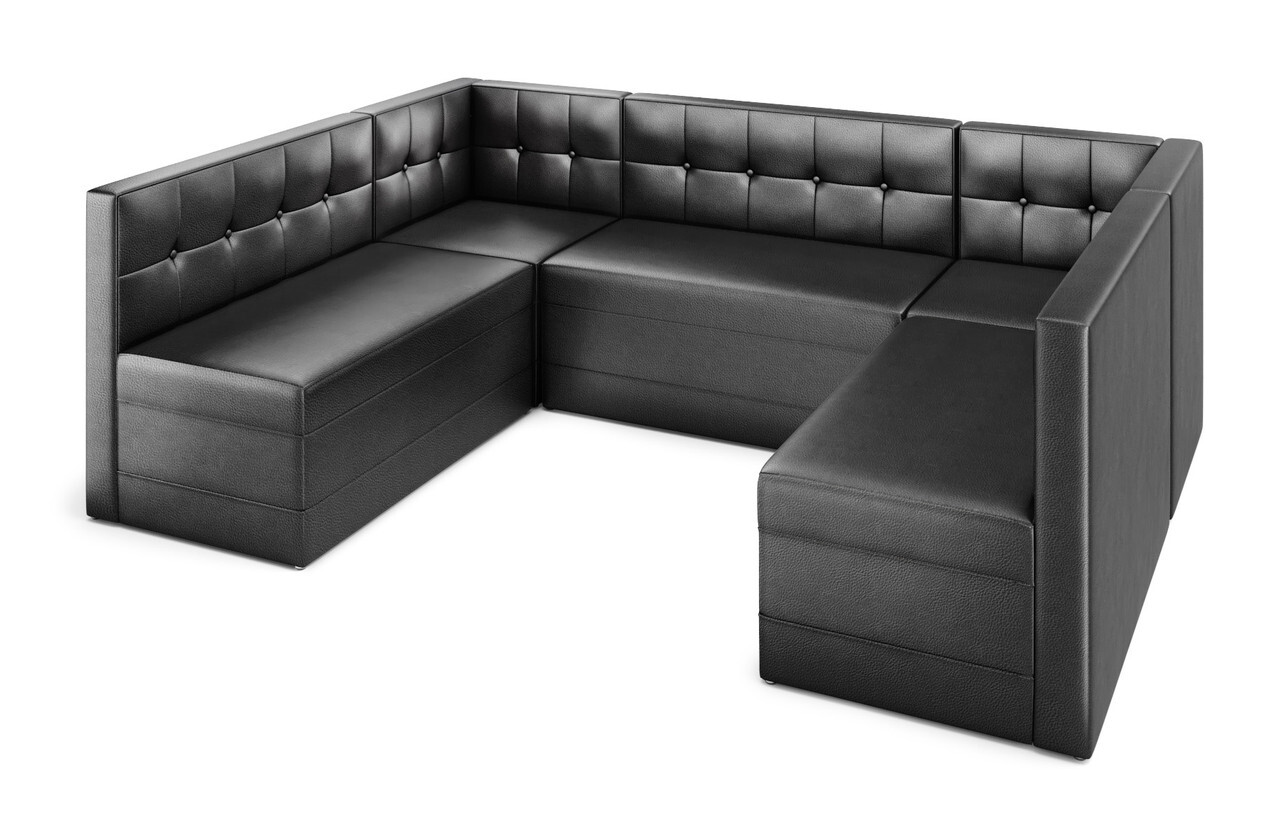
Compared to permanent seating like booths or fixed sofas, modular seating offers far greater operational freedom. Booths and sofas are limited to a fixed number of seats and cannot be broken down into smaller groupings. Modular systems built from armless chairs and corners allow venues to adapt instantly—serving couples, small groups, or large parties using the same furniture investment.
For clubs, lounges, and public spaces that regularly host events of different sizes, modular seating is not just a design choice—it is a strategic decision that supports flexibility, efficiency, and guest experience.
Key Questions Answered
Q: Should modular seating be permanently connected?
No. If layouts change frequently, free-standing units are recommended to allow flexibility for different group sizes.
Q: How do free-standing units stay in place?
Commercial modular seating is built with enough weight to remain stable during use, eliminating the need for buckles.
Q: Why are armless chairs and corner units important?
They allow seating to be reshaped into straight lines, U-shapes, L-shapes, or private sections as needed.
Q: Is low-back or high-back seating better?
Low backs keep spaces open and visible, while high backs provide privacy for VIP or premium areas.
Q: Why choose modular seating over fixed booths or sofas?
Modular seating adapts to changing events and party sizes, while fixed seating limits layout flexibility.