Because casinos often feature limited natural light and rely on softer or dimmed lighting, furniture selection must respond to both the visual environment and operational demands. Durability, comfort, and cohesive design become critical factors in maintaining performance across a 24-hour operation.
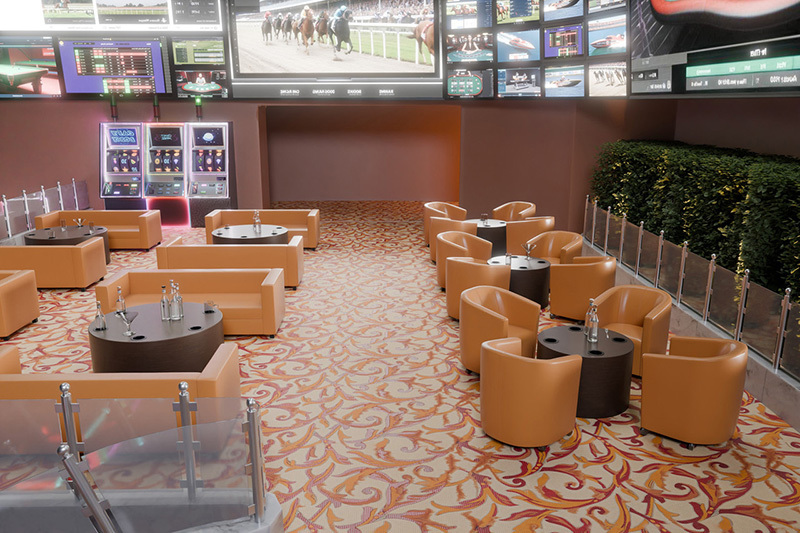
Understanding the Casino Environment
Casino and gaming centers are high-traffic environments that operate continuously. Unlike traditional hospitality spaces, guests may remain seated for hours at a time while playing, socializing, or enjoying entertainment.
The design atmosphere typically includes:
-
Limited windows
-
Controlled lighting
-
Rich interior tones
-
Continuous foot traffic
-
Extended seating duration
Furniture must support these conditions without showing premature wear.
Upholstery Selection: Why Darker Tones Dominate
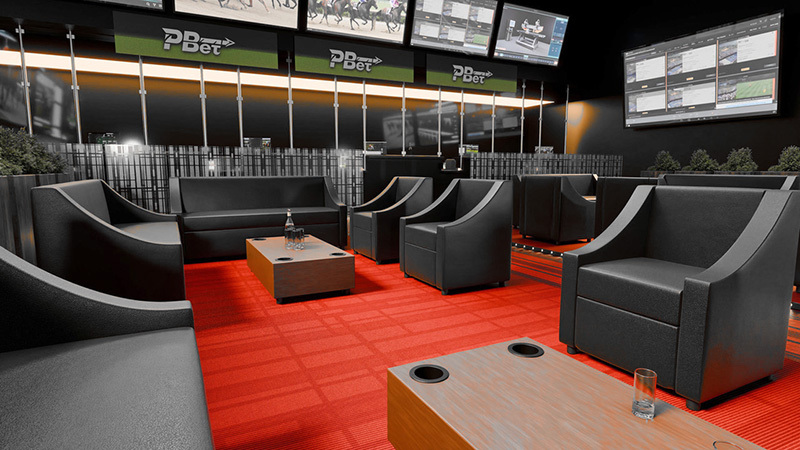
One of the most consistent trends across casino projects is the use of darker, richer upholstery tones. Dark upholstery performs well in casinos because it:
-
Blends with dim lighting environments
-
Minimizes visible stains and scuffing
-
Maintains appearance over time
-
Reduces the frequency of visible cleaning marks
Durable, commercial-grade upholstery with high abrasion ratings is essential. Materials must withstand constant use while remaining easy to maintain.
Clean Lines and Simplicity in Design
Casino interiors are visually active environments. Between gaming machines, lighting effects, digital displays, and foot traffic, the space can quickly feel overwhelming.
For this reason, furniture design often favors simplicity.
Straight lines, clean silhouettes, and understated forms allow seating to integrate seamlessly into the gaming floor without competing with the environment. Overly decorative furniture can distract from the core purpose of the space.
Sofas and lounge seating with clean profiles provide balance while supporting both visual clarity and functionality.
Comfort for Extended Seating
Comfort in casino environments is not optional—it is strategic.
Guests often remain seated for long periods. Seating must be firm enough to hold its shape but comfortable enough to prevent fatigue.
Key considerations include:
-
Proper seat height
-
Balanced foam density
-
Structured lumbar support
-
Cushion resilience
Overly soft seating may feel inviting initially but can lose structure quickly in 24-hour environments. Engineering proper cushion support protects both guest comfort and long-term performance.
Durability: The Highest Priority
While aesthetics and comfort are important, durability is the most critical factor in casino furnishing.
Casino seating must withstand:
-
Continuous use
-
High weight loads
-
Movement and shifting
-
Food and beverage service
-
Cleaning cycles
Weight capacity and structural strength must be engineered for heavy-duty performance. Frames should be reinforced, joints secured, and materials selected specifically for high-traffic hospitality use.
Appearance alone is never enough in a gaming facility.
Functional Accent Pieces and Lounge Tables
Operational efficiency is equally important. Many casinos integrate lounge tables and functional accent pieces to support both guests and staff.
Well-designed lounge tables:
-
Provide space for drinks and small plates
-
Reduce clutter on seating surfaces
-
Support organized gameplay areas
Integrated features such as cup holders are especially valuable. They reduce spills, simplify cleaning, and improve service flow.
Small details like these enhance both guest satisfaction and operational practicality.
Layout and Flow Considerations
Casino furniture layouts must support continuous movement and accessibility.
Important factors include:
-
Clear walkways between gaming zones
-
Defined lounge areas
-
Proper spacing between seating units
-
Easy access for cleaning and maintenance
Furniture should support circulation rather than obstruct it.
Final Recommendation
Furnishing a casino or gaming center requires balancing atmosphere, comfort, and durability. Darker upholstery tones, clean design lines, properly engineered foam, and heavy-duty structural construction form the foundation of successful casino seating.
By prioritizing durability and comfort in equal measure, operators create an environment where guests remain engaged and comfortable for extended periods—without sacrificing long-term performance.
Key Questions Answered
Q: Why are darker upholstery tones common in casinos?
A: Darker tones complement low-light environments and better conceal wear in high-traffic settings.
Q: How important is foam density in casino seating?
A: Extremely important. Seating must maintain shape while providing comfort for extended use.
Q: What is the biggest priority when furnishing a gaming center?
A: Durability. Casino seating must withstand continuous use without structural failure.
Q: Are decorative furniture styles recommended?
A: Simpler, clean-line designs perform better visually and functionally on busy gaming floors.
Q: Why are lounge tables and cup holders important?
A: They improve organization, reduce spills, and enhance both guest experience and operational efficiency.