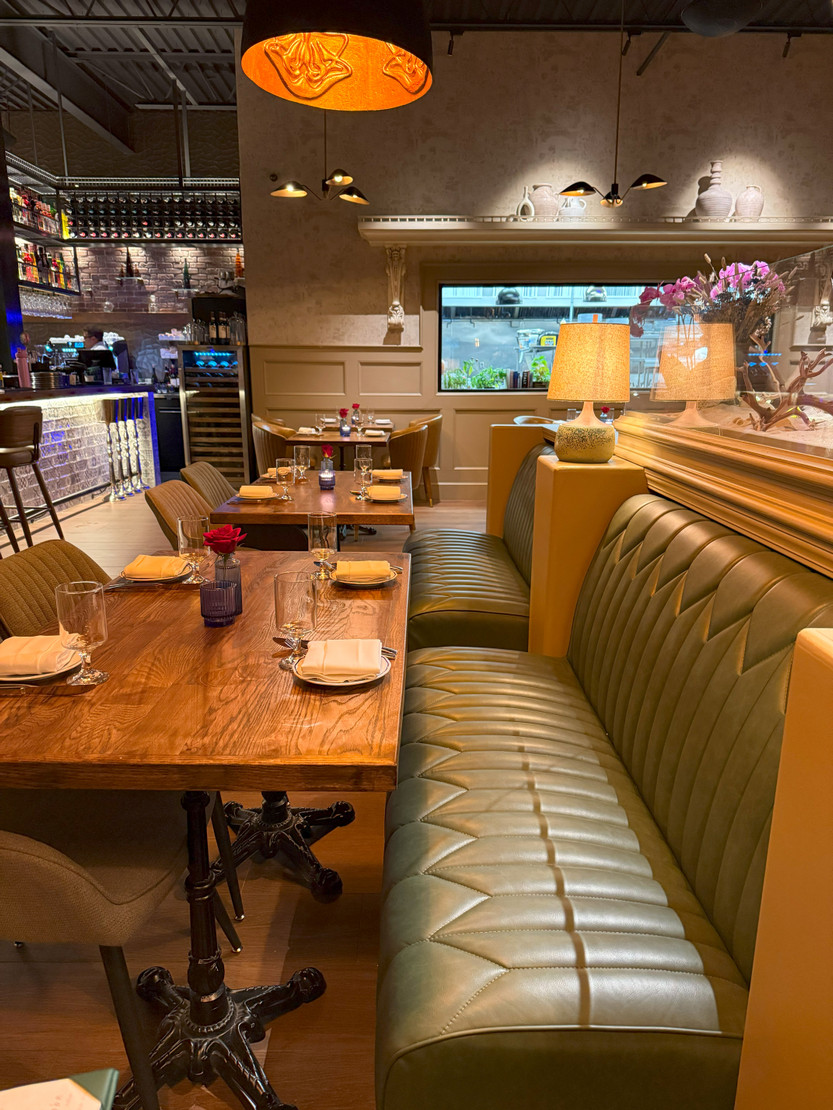
Why Are Some Restaurant Booths More Expensive Than Others?
Purchasing restaurant booths is a major long-term investment, not just a furniture decision. Price differences between booths can be significant, and for restaurant owners, designers, and hospitality operators, this often leads to confusion. One booth may appear similar to another at first glance, yet the price gap can be thousands of dollars across an entire dining room. Understanding why these differences exist—and how to evaluate what truly matters—can help operators avoid costly mistakes and make smarter, more profitable decisions.
At its core, booth pricing is driven by construction quality, materials, customization, and where the product is manufactured. Booths made in the USA using domestic materials and skilled labor typically cost more than imported alternatives. However, they also offer higher quality control, stronger durability, and long-term consistency—factors that directly affect guest comfort, brand perception, and operational performance.
Restaurant owners and hospitality professionals are often under pressure to control budgets, especially during build-outs or renovations. It can be tempting to choose the lowest-priced option available. But when it comes to restaurant booths, a quick decision based on price alone can become a costly mistake.
The Real Reasons Behind Booth Price Differences
One of the most common questions we hear—often asked directly—is:
“Why are your booths more expensive than others?”
As Jennifer Perez, Office Manager at Modern Line Furniture, often explains, the answer is simple but important: Yes, our booths may cost more—but only when you compare apples to oranges. When you compare apples to apples, the value becomes clear.
Lower-priced booths frequently rely on:
-
Imported frames
-
Lower-density foam
-
Thin plywood or softwood structures
-
Limited upholstery options
-
Minimal quality control
These booths may look fine on day one, but in high-traffic commercial environments, they often break down quickly—leading to sagging seats, loose joints, torn upholstery, and expensive replacements within just a few years.
Construction Quality: What You Don’t See Matters Most
The internal construction of a booth is one of the biggest price drivers—and one of the most overlooked factors by buyers. High-quality commercial booths are built with solid hardwood or reinforced plywood frames, engineered to withstand daily use, shifting weight, and constant cleaning.
Inferior booths may use lightweight materials or shortcuts that are not visible from the outside. Over time, these shortcuts show up as:
-
Wobbling or movement
-
Cracked frames
-
Flattened seat cushions
-
Loss of comfort
A booth is not just seating—it is structural furniture that must hold weight consistently for years. Better construction costs more upfront but saves money long term.
Materials: Foam, Upholstery, and Fire Ratings
Another major factor in booth pricing is material selection. Commercial-grade booths use:
-
High-density foam that retains shape
-
Fire-rated materials meeting CAL-117 standards
-
Durable vinyls or fabrics rated for heavy commercial use
Cheaper booths often use residential-grade foam that compresses quickly or upholstery that tears, fades, or fails under cleaning chemicals. Replacing foam for reupholstering booths is expensive and disruptive to operations.
When evaluating price, buyers should always ask:
-
What is the foam density?
-
Is the upholstery fire-rated?
-
Is it designed for commercial cleaning and wear?
Customization vs. One-Size-Fits-All
Customization is another key reason some booths cost more than others. Custom booths are built to fit your exact floor plan, column spacing, wall lengths, and aisle requirements. This allows restaurants to maximize seating capacity while maintaining comfort and code compliance.
Lower-cost imported booths are often produced in standard sizes only. While they may be cheaper, they frequently leave wasted space, awkward gaps, or inefficient layouts that reduce total seating.
In a restaurant, every inch matters. Properly designed booth layouts can cover nearly the entire usable footprint of a dining area, increasing seats per square foot and improving revenue per service.
Made in USA vs. Imported Booths
Manufacturing location plays a major role in pricing—and reliability. Booths made in the USA use domestic materials, skilled labor, and tighter production oversight. This leads to:
-
Better quality control
-
Faster lead times
-
Consistent dimensions
-
Easier service and support
Imported booths may cost less upfront, but they often come with longer lead times, limited customization, inconsistent sizing, and little recourse if something goes wrong.
When delays, defects, or mismatches occur, the “savings” quickly disappear.
Guest Experience and Brand Perception
Choosing the right booth is about more than durability—it directly impacts the guest experience. Comfortable seating encourages guests to stay longer, order more, and return. Visually appealing booths reinforce the restaurant’s brand and interior design.
Operators are not just buying furniture—they are investing in:
-
Comfort
-
Atmosphere
-
First impressions
-
Long-term customer satisfaction
Cutting corners on seating can undermine even the best food and service.
How Should Operators Decide What to Buy?
When choosing restaurant booths, buyers should focus on value, not just price. Key questions to ask include:
-
How long is this booth expected to last?
-
What materials are used internally?
-
Is it built for commercial use?
-
Will it maximize my seating capacity?
-
Does it align with my brand image?
Making the right choice means committing to quality, consistency, and long-term performance.
Restaurant booths are not a short-term purchase. They are a foundational part of the dining experience and a key driver of seating efficiency and revenue. While higher-quality booths may cost more upfront, they deliver better durability, comfort, and return on investment over time.
When buyers compare booths properly—material to material, construction to construction—the decision becomes clear. The right booth is not the cheapest one. It’s the one that serves guests better, lasts longer, and supports the success of the business.