How to Select Furniture Style and Define Space Identity.
Selecting furniture for commercial spaces goes far beyond filling a room with tables and seating. Furniture style plays a defining role in shaping brand identity, influencing guest perception, and determining how comfortable and memorable a space feels. Whether designing a restaurant, lounge, hotel lobby, or public facility, the furniture must reflect both the concept and the operational needs of the environment. Successful style selection requires balancing visual identity, functionality, and durability. The furniture should reinforce the brand message while supporting comfort, circulation, and long-term performance. When these elements align, the space feels intentional and cohesive rather than assembled.
The process begins with understanding the relationship between style and identity.
Matching Furniture Style to Brand Concept
Every commercial space communicates a personality. Guests form impressions within seconds of entering, and furniture is often the first visual cue that defines the atmosphere.
Modern, rustic, and industrial styles are among the most commonly used design directions. Each conveys a distinct emotional tone and attracts a different audience.
Choosing the right style depends on:
-
Industry and concept
-
Target clientele
-
Desired dining or social pace
-
Architectural elements of the space
-
Company culture and brand positioning
Furniture should not compete with the concept — it should reinforce it.
The Modern Style: Clean, Intentional, and Versatile
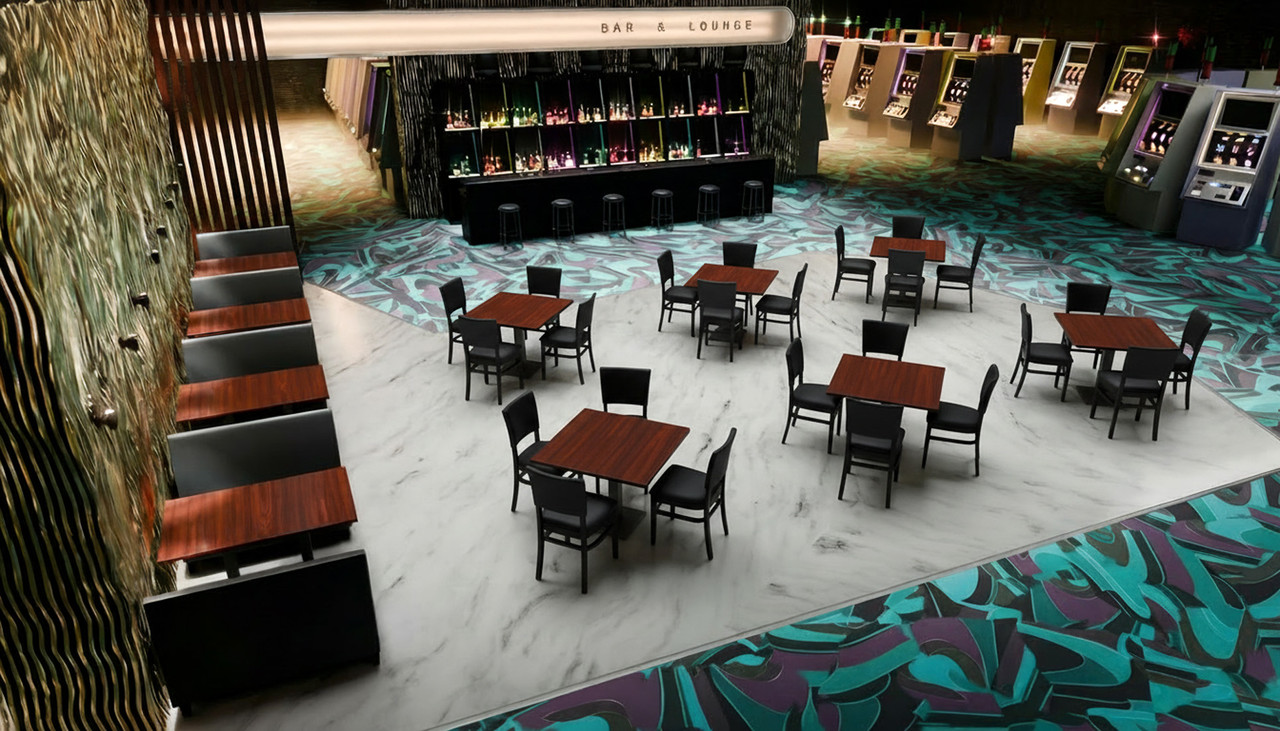
Modern furniture remains one of the most widely adopted styles in commercial design due to its versatility and timeless appeal. When selecting modern furniture, operators must focus on maintaining clean lines and contemporary detailing that preserve the minimalist aesthetic.
Frame shape and arm design are key indicators of modern style. Straight or gently curved frames with refined arm profiles create a contemporary look that feels sophisticated without overwhelming the space. Restaurant booths, sectional sofas, and lounge seating benefit from streamlined silhouettes that emphasize comfort while maintaining visual simplicity.
Stitching details should also align with the modern concept. Channel stitching introduces subtle texture and structure, while diamond stitching can add depth without sacrificing a contemporary feel. These details provide visual interest while preserving a polished appearance.
Modern spaces often rely on neutral color palettes with occasional accent tones, allowing furniture to blend seamlessly with lighting, flooring, and architectural elements.
Rustic Style: Warmth, Texture, and Natural Character
Rustic furniture introduces warmth and authenticity through materials and craftsmanship. This style works particularly well in hospitality environments aiming to create a relaxed and inviting atmosphere.
When selecting rustic seating — whether lounge furniture, single booths, or double booths — operators should focus on curved and tapered details that evoke handcrafted character. Wood elements play a central role in defining rustic identity, bringing texture and depth to the space.
Materials such as cowhide leather or distressed upholstery finishes reinforce the natural aesthetic and contribute to a sense of durability and comfort. Rustic furniture often feels familiar and approachable, encouraging guests to relax and stay longer.
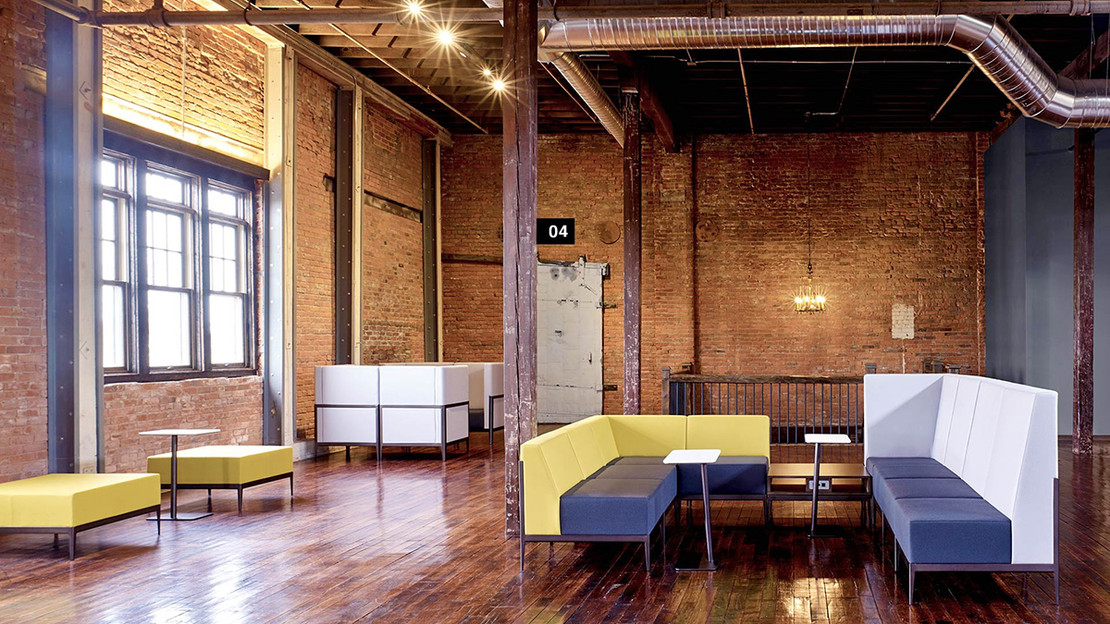
This style pairs especially well with exposed wood flooring, brick walls, and warm lighting environments.
Industrial Style: Structure, Simplicity, and Urban Appeal
Industrial design emphasizes structure and raw material expression. Metal frames, squared silhouettes, and minimal ornamentation define this style, making it ideal for urban environments, modern lounges, and casual dining concepts.
Clean metal frames for upholstered sofas, club chairs, and bar seating create a bold yet functional aesthetic. The focus is on durability and simplicity rather than decorative detail.
Stitching should remain minimal to preserve the industrial character. Flat upholstery finishes are typically preferred, with materials such as smooth vinyl or single-tone upholstery collections reinforcing the streamlined appearance.
Industrial furniture works particularly well alongside exposed concrete, metal accents, and open ceiling architecture.
Balancing Style with Functionality and Durability
While visual identity is important, furniture must also perform under real-world conditions. High-quality materials, ergonomic support, and durable construction ensure that style does not compromise comfort or longevity.
Operators should prioritize:
-
High-density foam for long-term comfort
-
Strong frame construction
-
Easy-to-clean upholstery materials
-
Layout compatibility with traffic flow
Furniture that aligns with both style and functionality supports positive guest experiences while protecting the investment.
Creating Cohesion Across the Space
A cohesive space does not require every piece of furniture to be identical. Instead, cohesion is achieved through consistent design language — complementary materials, coordinated finishes, and repeated shapes.
Mixing styles can be successful when done intentionally, but the overall identity should remain clear. Consistency helps guests understand the atmosphere and feel comfortable within the environment.
Furniture style is one of the strongest contributors to space identity. Whether modern, rustic, or industrial, the selected style should reinforce the concept, enhance guest comfort, and support operational efficiency.
By carefully evaluating brand identity, material selection, and functional requirements, operators can create spaces that feel authentic, comfortable, and visually memorable — encouraging guests to return and engage more deeply with the environment.
Key Questions Answered
Q: How do I choose the right furniture style for my business?
A: Start by aligning furniture with your concept, target audience, and architectural environment to create a cohesive identity.
Q: Why is modern furniture so popular in commercial spaces?
A: Modern furniture offers versatility, clean aesthetics, and adaptability across many hospitality concepts.
Q: What materials define rustic furniture style?
A: Wood elements, textured upholstery, and natural finishes such as leather or distressed materials contribute to rustic character.
Q: What makes furniture industrial in style?
A: Metal frames, square silhouettes, minimal stitching, and raw material expression define industrial design.
Q: Can style compromise durability in commercial environments?
A: It should not. High-quality construction and ergonomic design allow furniture to maintain both style and long-term performance.