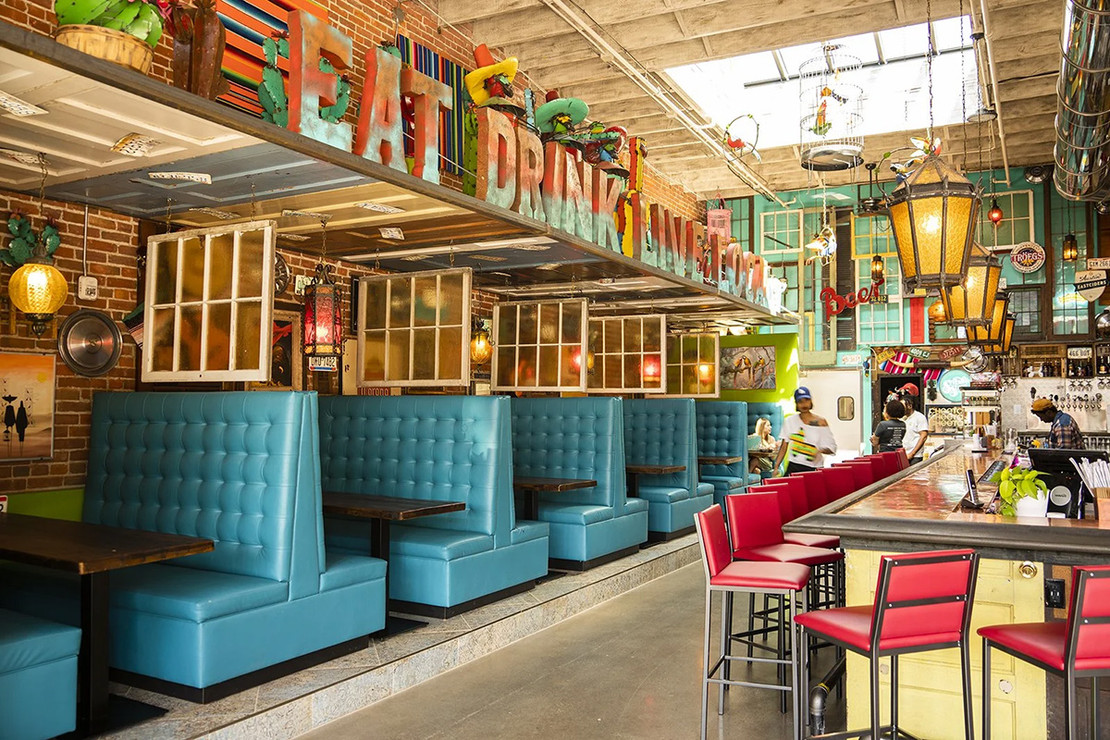
How to Replace Restaurant Furniture Without Disrupting Operations
When operating a restaurant, owners and operators constantly juggle multiple priorities. From food preparation and supply management to staff scheduling and menu updates, daily responsibilities can quickly consume attention. As a result, furniture condition is often overlooked until visible damage appears — a tear in upholstery, a broken chair, or a booth that no longer feels comfortable.
However, experienced restaurateurs understand that furniture plays a critical role in first impressions. The appearance and comfort of seating are among the first details guests notice when they walk through the door and wait to be seated. Even before tasting the food, customers subconsciously evaluate cleanliness, comfort, and overall atmosphere.
Furniture that looks worn or damaged can quietly influence guest perception and affect repeat visits.
Recognizing Furniture as Part of the Guest Experience
Over years of operation, many restaurant owners realize that maintaining furniture is not just about aesthetics — it is about consistency. A well-maintained dining room communicates professionalism, care, and attention to detail.
Fortunately, furniture replacement does not always require a full renovation. In many cases, replacing individual components such as restaurant booths, modular seating pieces, armless chairs, or corner units can restore the space to its original appearance without disrupting daily operations.
Modular seating systems make this process even easier, allowing operators to swap damaged sections while maintaining the rest of the layout.
Working with the Same Manufacturer Simplifies Replacement
Consistency becomes significantly easier when furniture is originally sourced from a single manufacturer. Standard catalog models allow damaged pieces to be reordered without redesigning the entire dining room.
When replacement is needed, operators can simply contact their sales representative, provide the model number and original order details, and request matching units. Manufacturers typically maintain records of previous orders, including upholstery selections and construction specifications, allowing them to reproduce pieces that blend seamlessly with existing furniture.
This approach helps maintain design continuity while minimizing downtime.
Jennifer Perez, office manager, explains that many replacement requests can be handled quickly when previous order information is available. Matching materials, finishes, and stitching details ensures that replacement pieces integrate naturally rather than appearing as mismatched additions.
Replacing Furniture in Phases
For operators planning larger updates, phased replacement is often the most practical strategy. Instead of closing the restaurant for a complete furniture overhaul, sections can be updated gradually while the rest of the dining room remains operational.
Replacing one area at a time offers several benefits:
-
minimal disruption to guests
-
continued seating capacity
-
smoother installation scheduling
-
easier adjustment for staff
This method works particularly well for restaurants with clearly defined seating zones, allowing installation to occur during slower hours or between service periods.
Full Replacement During Renovation
In situations where the restaurant is undergoing a full renovation, furniture replacement becomes more straightforward. Ordering all seating from a single supplier and coordinating delivery timelines with reopening plans ensures a cohesive and organized result.
A complete refresh allows operators to update not only worn furniture but also layout efficiency, comfort levels, and overall design direction. While this approach requires more planning, it often delivers the strongest visual impact and long-term consistency.
Balancing Speed with Planning
Regardless of whether the replacement involves individual pieces or an entire dining room, careful planning is essential. Furniture installation should be coordinated with operating hours, storage availability, and delivery logistics to avoid unnecessary disruption.
Replacing furniture overnight, during scheduled closures, or in low-traffic periods helps maintain service quality while improving the environment.
Ultimately, successful furniture replacement is less about urgency and more about strategy.
Restaurant furniture should be viewed as an integral part of the guest experience rather than a secondary operational detail. Maintaining consistent, comfortable, and visually appealing seating reinforces brand identity and enhances customer satisfaction.
Whether replacing a few damaged pieces or planning a complete refresh, operators who approach furniture updates thoughtfully can improve their dining environment without interrupting daily operations.
For guidance on replacement options and matching existing furniture, contact sales@modernlinefurniture.com.
Key Questions Answered
Q: When should restaurant furniture be replaced?
A: Furniture should be replaced when comfort declines, visible damage appears, or the design no longer reflects the restaurant’s image.
Q: Can individual booth or seating sections be replaced instead of the entire set?
A: Yes. Modular seating allows operators to replace damaged components without changing the entire layout.
Q: Why is working with one manufacturer beneficial for replacement?
A: It ensures consistency in materials, color matching, and construction, making replacement faster and more seamless.
Q: What is the best way to replace furniture without closing the restaurant?
A: Phased replacement during off-peak hours or by section helps maintain normal operations.
Q: When is full furniture replacement the better option?
A: Full replacement is ideal during renovations when layout, design, and seating comfort are being updated simultaneously.