How to Design a Restaurant That Guests Remember
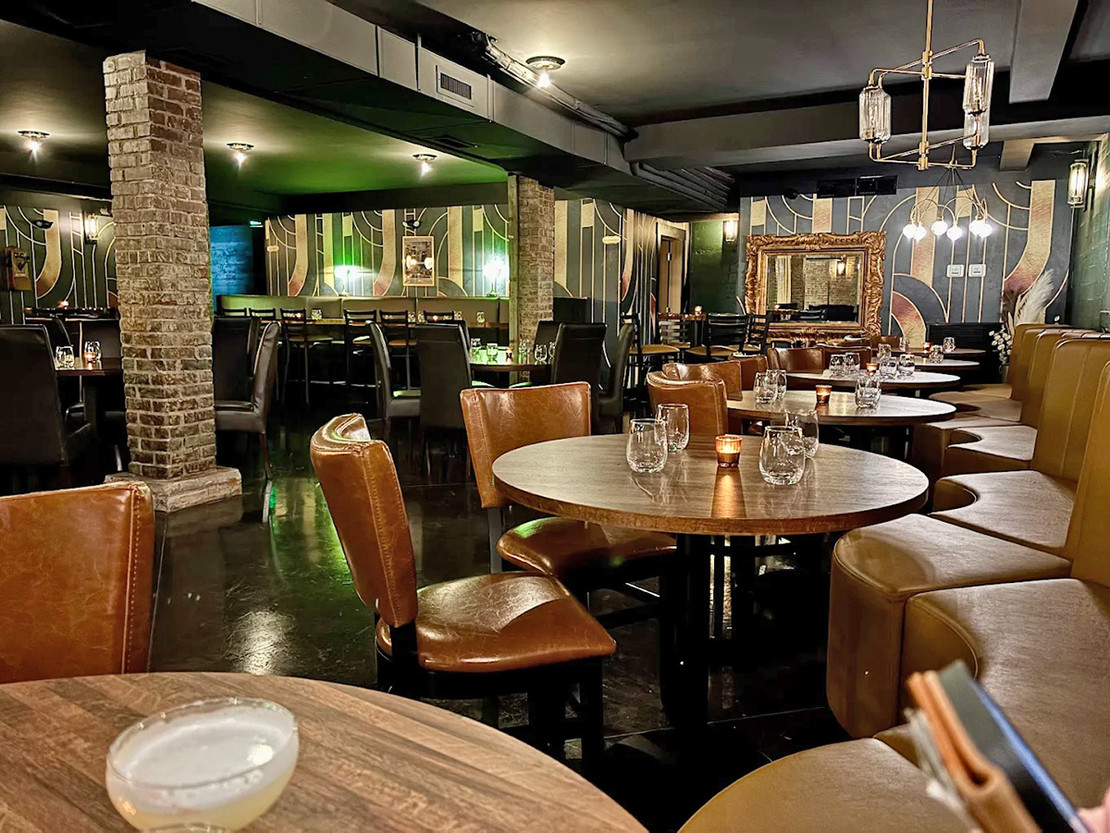
Sustaining a restaurant business is not easy. Consistency in food quality, service, and daily operations requires constant attention and discipline. Restaurant owners often focus most of their energy on the kitchen and customer service, which are certainly the core elements of success. However, creating a memorable dining environment is equally important. While maintaining great food and service can be challenging, designing a space with a unique appearance and a strong visual identity can be somewhat easier with the right planning and furniture choices.
Guests today are not only looking for a good meal—they are also looking for an experience. When people walk into a restaurant, the interior design, furniture style, and overall atmosphere immediately create the first impression. If the space feels inviting, unique, and thoughtfully designed, guests are far more likely to remember the location and return again.
Choosing the right theme and style is often the first step toward creating this memorable environment. Professional designers and decorators typically play an important role in this process. They help select furniture styles, stitching patterns, and color combinations that define the character of the space. Details such as tufted backs, channel stitching, or clean modern lines can dramatically change the visual impact of restaurant booths, chairs, and lounge seating.
Color selection is another critical element. Warm tones may create a cozy dining atmosphere, while bold colors can help create an energetic environment suited for nightlife venues or modern restaurants. Pairing upholstery colors with table surfaces, laminates, and flooring materials ensures that the entire space feels cohesive rather than random.
“We have seen it all over the years,” says Yana Katliarova. “Restaurant owners often feel overwhelmed by the number of design decisions they need to make. Our goal is to simplify the process and make it easier for clients to visualize their space before production even begins.”
One way to simplify the design process is by presenting real material samples to clients before furniture production starts. For example, upholstery options may include premium vinyl and fabric materials from brands such as Nassimi, known for their durability and performance in hospitality environments. Many of these materials offer abrasion ratings of up to 500,000 double rubs and meet commercial fire safety standards such as CAL 117.
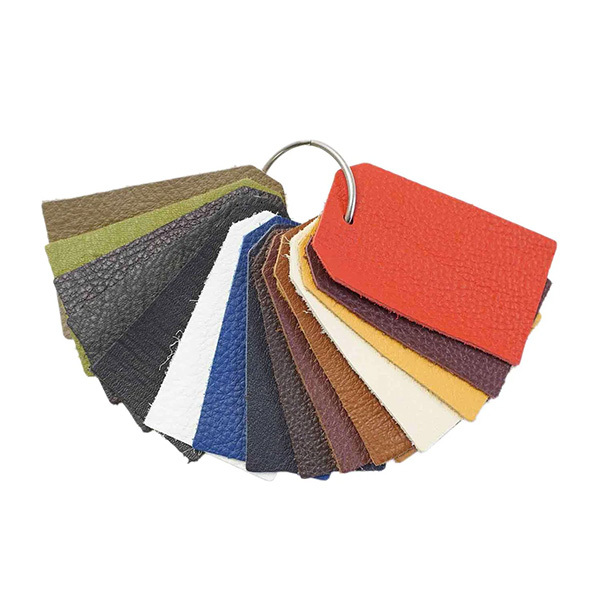
Providing clients with vinyl and fabric swatches allows them to physically see and feel the materials that will be used in their restaurant furniture. This helps eliminate uncertainty and ensures that the final product matches the client’s expectations.
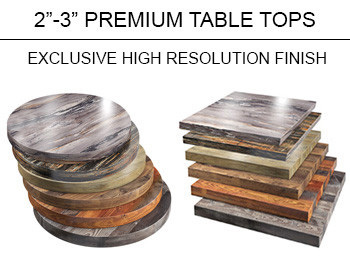
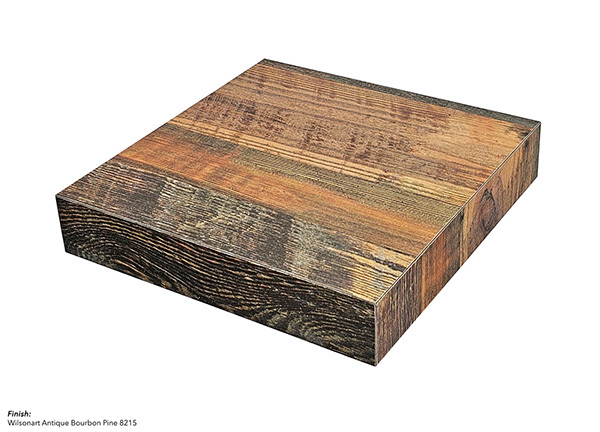
Laminate selections are also an important part of restaurant design. Samples from brands such as Formica and Wilsonart are often presented as miniature tabletop samples so clients can see exactly how their table surfaces will appear. Viewing these materials in a scaled-down tabletop format helps clients better understand how colors and textures will look in the finished space.
“These are just a few ideas we developed to make the process easier,” explains Katliarova. “When clients can hold materials and colors in their hands, it becomes much easier to pair them together and create the look they want.”
Another key step in designing a restaurant that stands out is proper layout planning. Furniture should not only look good—it must also function efficiently within the space. Professional layout drawings created using software such as AutoCAD allow designers to plan seating arrangements accurately. This process helps ensure that the correct number of booths, chairs, tables, and lounge pieces are produced without overcrowding the space or leaving areas underutilized.
Layout planning also helps maintain proper walkways for staff and guests, ensuring that the restaurant operates smoothly during busy service hours. When furniture is designed and placed with careful planning, the entire dining environment becomes more comfortable and efficient.
In the end, creating a restaurant that guests remember is a combination of design vision, material quality, and proper planning. By combining thoughtful furniture design, durable materials, and professional layout services, restaurant owners can create spaces that leave a lasting impression on their guests. Results are obvoisly great as Restaurnts will get repeat business and people will be coming back.
Visit our Buying Guide Page for more Info:
https://www.
For additional assistance with furniture selection and restaurant layout planning, you may also contact the professional sales team at sales@modernlinefurniture.com.
Key Questions About Designing a Memorable Restaurant
Q: Why is restaurant design important for attracting guests?
A: Restaurant design creates the first impression for customers. A well-designed space can make guests feel comfortable, excited, and curious about the experience. Unique furniture styles, lighting, and layout all contribute to making a restaurant memorable and encouraging repeat visits.
Q: What furniture styles help create a unique restaurant appearance?
A: Custom booth seating, tufted backs, channel stitching, modern lounge seating, and distinctive table designs are commonly used to create unique interiors. These design elements help define the theme and personality of the restaurant.
Q: Why are material samples important during the design process?
A: Seeing and touching real material samples allows restaurant owners to make confident decisions about colors, textures, and finishes. Vinyl swatches, fabric samples, and laminate pieces help clients visualize the final result before production begins.
Q: What materials work best for restaurant furniture?
A: Durable commercial materials such as premium vinyl, performance fabrics, and high-pressure laminates are typically recommended for restaurant furniture. These materials are designed to withstand heavy use while maintaining their appearance over time.
Q: Why is layout planning important when furnishing a restaurant?
A: Layout planning ensures that the correct number of furniture pieces fit comfortably within the space. Using professional design tools allows designers to plan seating arrangements, maintain proper walkways, and ensure that the restaurant operates efficiently during busy service hours.