How Commercial Furniture Impacts Atmosphere and Guest Behavior in Restaurants and Public Spaces
Atmosphere is one of the most powerful — and often underestimated — elements of any restaurant or public seating environment. While lighting, music, and décor contribute to the overall experience, commercial furniture plays a direct role in shaping how guests feel, behave, and interact within a space.
Furniture influences comfort levels, perceived privacy, movement patterns, and even spending behavior. When thoughtfully selected, seating and table layouts help create environments where guests feel relaxed, engaged, and more inclined to stay longer. Understanding the psychological impact of furniture allows operators to design spaces that support both guest satisfaction and business performance.
The Influence of Color on Mood and Appetite
Color is one of the first elements guests subconsciously register when entering a space. Upholstery tones and tabletop finishes contribute to emotional responses that affect dining pace and comfort.
Warm hues such as reds, oranges, and warm browns are commonly used in fast-paced commercial settings because they stimulate appetite and encourage quicker turnover. These colors create energy and movement within the environment, making them particularly effective in casual dining and high-volume venues.
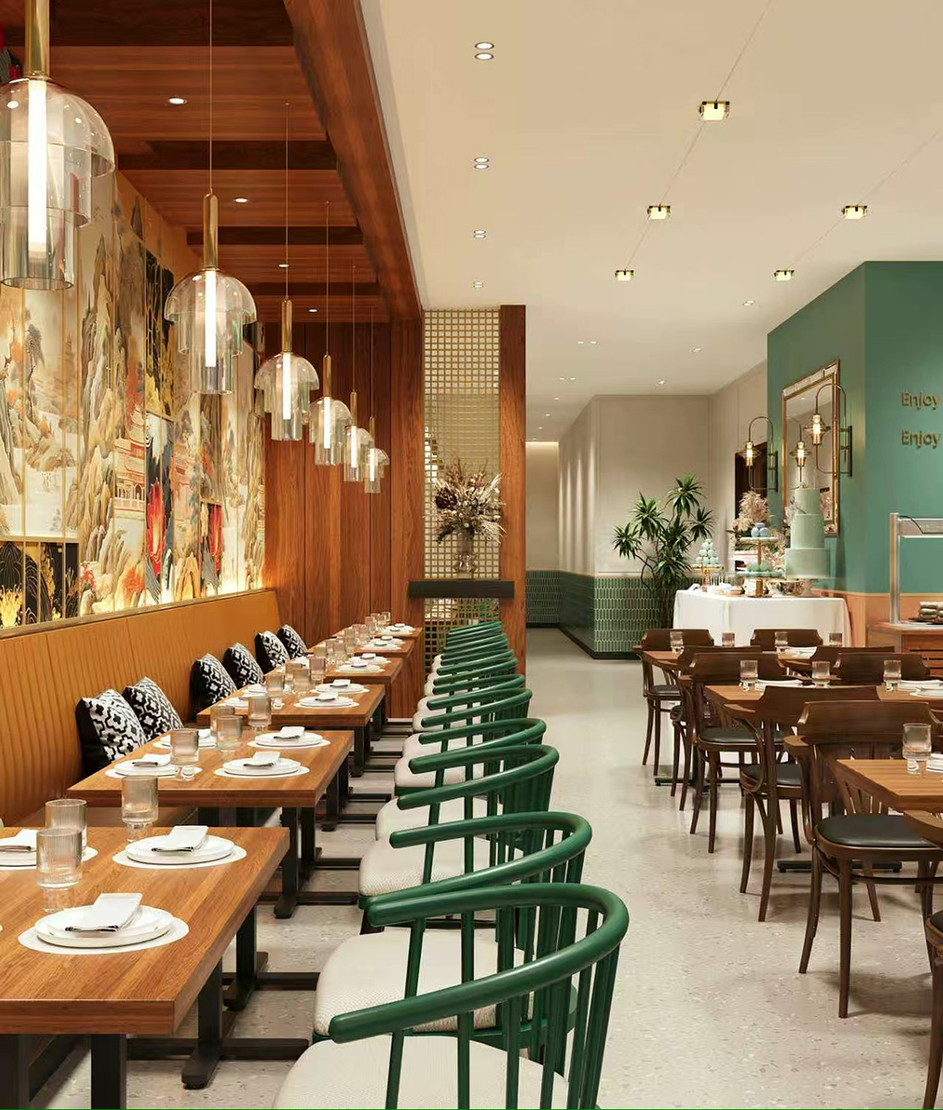
In contrast, cooler tones like blues and greens promote a calmer atmosphere. These palettes are often found in lounges, upscale restaurants, and hospitality settings where the goal is to encourage guests to relax and linger. Selecting upholstery colors aligned with operational goals helps reinforce the desired guest behavior.
Seating Types and Perceived Privacy
The type of seating selected directly affects how guests perceive comfort and privacy. Restaurant booths, in particular, create a psychological sense of enclosure that many guests find reassuring.
Booths can increase seating capacity by as much as 30 percent compared to traditional table-and-chair arrangements while offering a more intimate dining experience. This perceived privacy often encourages guests to stay longer, order additional items, and engage more comfortably in conversation.
Tables and chairs, on the other hand, provide flexibility and openness. A balanced mixture of booth seating and freestanding tables allows operators to accommodate different guest preferences while maintaining cohesive flow throughout the dining area.
Acoustics and the Role of Soft Materials
Noise levels strongly influence guest comfort, especially in large open environments with high ceilings. Hard surfaces reflect sound, leading to louder dining rooms that can shorten guest stay and reduce comfort.
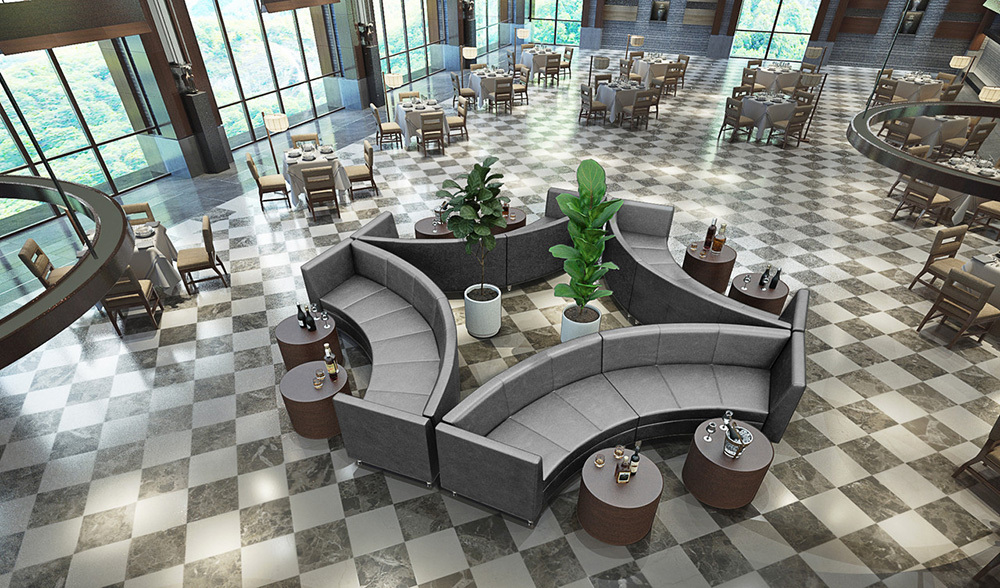
Upholstered seating such as booths, sofas, lounge chairs, and steakhouse-style armchairs naturally absorb sound. Additional elements like carpeting, curtains, and indoor plants further reduce echo and create a more comfortable acoustic environment.
Improved acoustics allow conversations to feel more private and relaxed, which contributes to longer visits and a more enjoyable overall experience.
Flexible Seating and Adaptable Layouts
Flexibility in seating arrangements plays a significant role in operational efficiency. Smaller two-top tables measuring approximately 24" × 30" are highly versatile because they can be easily combined to accommodate larger parties.
When grouped together, these tables can create larger dining configurations such as 30" × 48" or 30" × 60" setups without disrupting the overall layout. This adaptability allows operators to respond quickly to fluctuating party sizes while maintaining a clean and cohesive visual structure.
Flexible seating reduces wait times, improves table turnover management, and enhances guest satisfaction during peak hours.
Technology Integration and Modern Expectations
As dining environments evolve, technology is becoming an integral part of commercial furniture design. Guests increasingly expect convenient access to power and digital interaction within public spaces.
Emerging trends include seating with built-in wireless charging capabilities and tables designed to support touch-screen menus or integrated ordering systems. These features are especially effective in communal seating areas, lounges, and modern dining environments where guests spend extended periods.
Technology-enhanced furniture improves convenience while reinforcing a contemporary atmosphere that aligns with changing guest expectations.
Outdoor Furniture and Behavioral Comfort
Outdoor dining environments introduce additional considerations that directly affect guest comfort and behavior. Exposure to sunlight, temperature changes, and weather cycles can influence how long guests remain seated.
Patio furniture must be UV-protected and constructed from rust-resistant materials such as aluminum, teak, or weather-resistant composites. Comfortable cushions, proper shading, and durable finishes help create outdoor spaces that feel inviting rather than temporary.
When outdoor seating is comfortable and well-designed, guests are more likely to remain longer, increasing both utilization and revenue potential.
Commercial furniture is far more than a functional requirement — it is a powerful tool that shapes atmosphere and guides guest behavior. Color selection, seating type, acoustic control, flexibility, technology integration, and outdoor durability all contribute to how guests interact with a space.
By aligning furniture decisions with operational goals and psychological comfort, operators can create environments that encourage guests to stay longer, feel more relaxed, and engage more positively with the experience.
Thoughtful furniture planning ultimately supports both emotional connection and business success. For more details please contact our sales associates at Support@modernlinefurniture.
Key Questions Answered
Q: How do furniture colors influence guest behavior?
A: Warm tones encourage faster dining and energy, while cooler tones promote relaxation and longer visits.
Q: Why are booths effective in restaurants?
A: Booths provide privacy, increase seating efficiency, and often encourage guests to stay longer and spend more.
Q: How does upholstery improve dining acoustics?
A: Soft materials absorb sound, reducing noise levels and creating a more comfortable conversational environment.
Q: Why are two-top tables important in commercial layouts?
A: They offer flexibility by accommodating small parties individually or combining easily for larger groups.
Q: What should operators consider for outdoor furniture?
A: UV protection, rust resistance, comfort, and weather durability are essential to maintaining guest comfort and long-term performance.